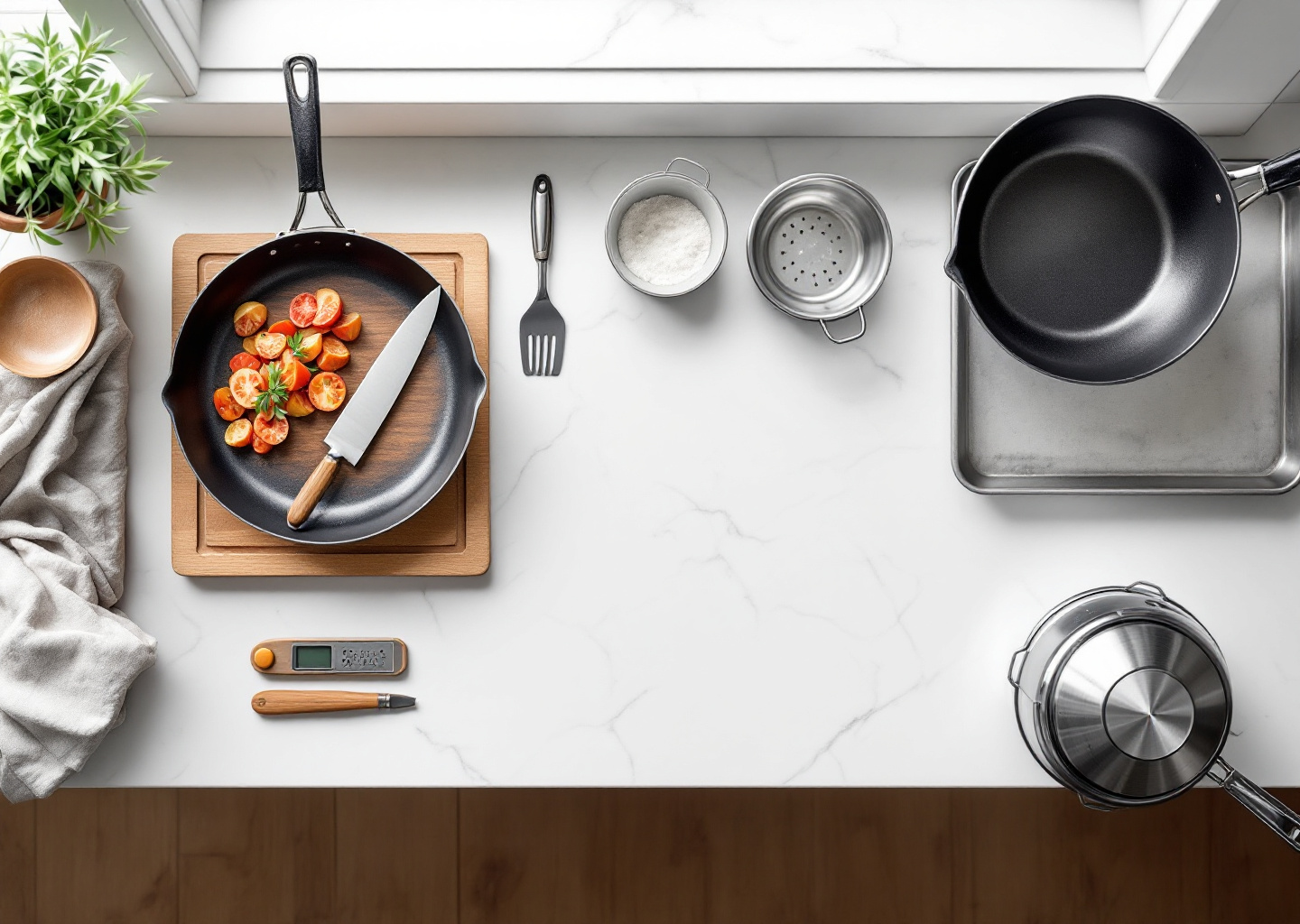
3 Chefs Told Me the Same Thing About Kitchen Gadgets. I Finally Listened.
After interviewing chefs who run restaurants, I learned they only use 12 tools at home. Here’s the minimalist kit that actually makes beginners cook better.
Why Your Kitchen Only Needs 12 Tools (According to Chefs Who Actually Cook at Home)
The moment I realized beginner kitchens were getting out of hand happened during a series of chef interviews I ran for a community class. I expected long, braggy equipment lists. Instead, most chefs shrugged and said some version of, “I only use around a dozen things at home.” That hit me hard because so many people ask me for a must-have kitchen gadget for beginners list, and they’re expecting fifty items. Or worse, a shopping cart full of single-use gimmicks that end up in a donation box six months later.
In this guide, I’m breaking down a minimalist 12-tool framework inspired by those chef interviews and shaped by my own work as a food preservation nerd who spends a lot of time in tiny Portland kitchens. You’ll learn why constraints help beginners cook better, which tools actually earn their counter space, and which popular gadgets professionals never bother with. Ever googled “what kitchen utensils do I actually need” because you felt overwhelmed? This one’s for you.
The Chef Interview Experiment: Why Beginner Kitchens Get Overloaded
The patterns from those chef conversations were wild. We’re talking about people who run restaurants, manage line cooks, and handle gear that costs more than my car. Yet at home, they kept things simple. One chef swore by a single eight-inch knife he’d had since culinary school. Another said she cooks 90 percent of meals in one cast iron skillet and a dented saucepan from the ’90s. A pastry chef reportedly shrugged and said something like, “I use a bowl and a whisk. Everything else is optional.”
So why are beginners drowning in gear? Marketing pushes the idea that cooking requires a gadget for every task. Egg cookers. Avocado slicers. Devices that peel garlic even though your knife and a little salt do that in five seconds. Years ago, I tried to build a basic cooking equipment list for new home cooks, and it ballooned to forty items before I even hit bakeware. That was my wake-up call.
Basically, the 12-tool rule is a rebellion against all that clutter.
The 12-Tool Philosophy: Why Constraints Make Better Cooks
Beginners cook better when they have fewer tools, not more. Sounds backwards, right? But constraints force you to build actual skills. Learning how to break down vegetables with one knife or cook grains in a simple pot gives you confidence that sticks with you. This approach also saves money and space, which matters a lot if you’re in a studio apartment or your counter is currently occupied by a sourdough starter and a dehydrator like mine often is.
Most people start with the question, “What should I buy?” Here’s a better one: “What do I really use every day?” Minimalist kitchens teach you to focus on the workhorses. And that mindset also helps you avoid buying things that seem useful but end up in a drawer forever.
The Non-Negotiable 6: Kitchen Tools That Earn Their Space for Decades
Here are six pieces I consider true workhorses. They’re worth investing in because you’ll use them constantly, and high-quality versions tend to outlive you.
1. Chef’s Knife
My eight-inch Victorinox cost about $35, and I’ve used it almost daily for six years now. You don’t need a full block. Learn to sharpen it, and this becomes the most reliable thing you own.
2. Cutting Board
Big enough for comfort, soft enough to protect your knife. I love bamboo, but use whatever makes prep feel easy.
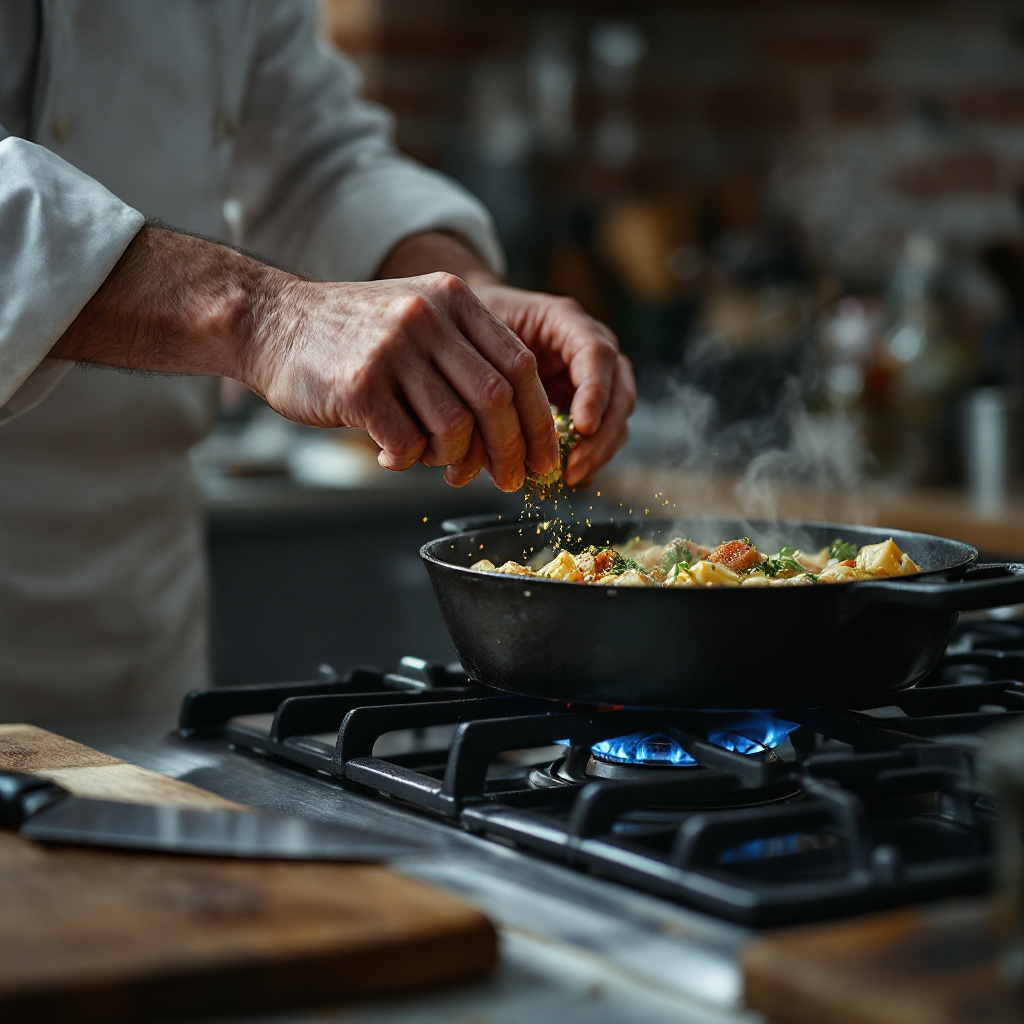
3. Cast Iron Skillet
Mine was thrifted for $8, caked in rust, and looking hopeless. Cleaned it up with steel wool and a few rounds of seasoning. Now it sears, bakes, shallow fries, and acts like a makeshift grill pan. Indestructible.
4. Medium Saucepan
Perfect for rice, pasta, oatmeal, blanching veggies, heating sauces, whatever. Go for a thick bottom to avoid scorching.
5. Sheet Pan
Heavy aluminum is my recommendation. You’ll roast vegetables, bake chicken thighs, toast nuts, or reheat leftovers.
6. Heat-Resistant Spatula
Silky sauces, scrambled eggs, stir-fries: one tool handles it all. Plus, it won’t scratch anything.
With just these six items, you’ve got the foundation of a solid kitchen. Everything else supports them.
The Smart 6: Budget-Friendly Multipurpose Tools That Replace Dozens of Gadgets
Now for the supporting cast. All of them are affordable, and they can replace entire drawers of single-use gear.
7. Instant-Read Thermometer
No guessing if chicken is done. No overcooked meat. Great for candy making, yogurt, or canning too.
8. Microplane
Zest citrus, grate garlic, shave Parmesan, grind spices. Slim and endlessly useful.
9. Immersion Blender
Mine gets used for everything from soup to hummus. Way easier to store compared to a full blender.
10. Tongs
Basically an extension of your hand. Grilling, sautéing, flipping, serving, all of it.
11. Mixing Bowl
Large stainless handles baking, marinating, tossing salads, and washing produce. No nested set needed.
12. Colander or Fine-Mesh Strainer
Pick whichever matches your cooking style. The strainer is more versatile for brewing tea, rinsing grains, or straining broths.
With these twelve items, you can cook pretty much every meal a beginner needs. And you’ll still have room in your drawers.
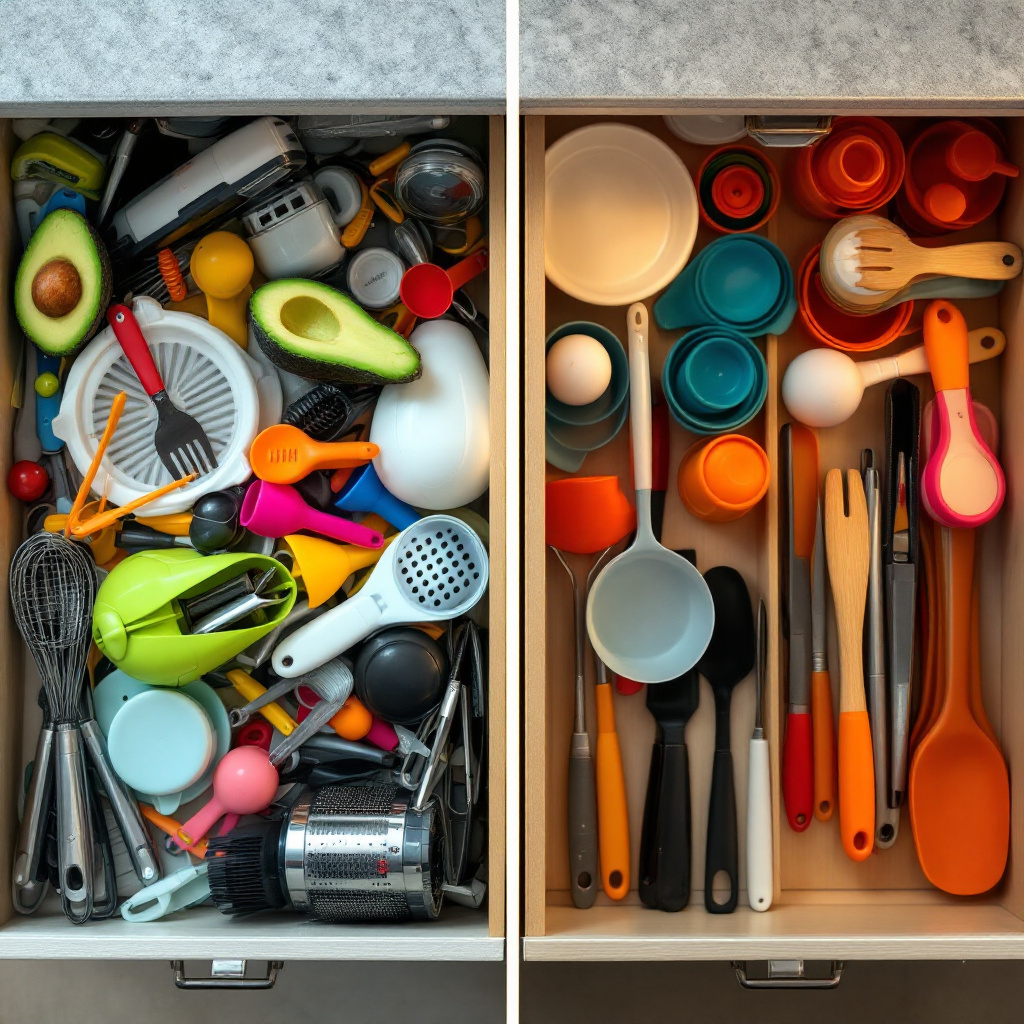
The Avoid List: Popular Gadgets Professionals Never Actually Use
Now we get to the spicy part. This stuff shows up on almost every basic cooking equipment list for new home kitchens, and it’s almost always unnecessary.
• Garlic press: your knife and a bit of salt crush garlic better
• Avocado slicer: a spoon and knife do the job in two seconds
• Stand mixer for beginners: unless you bake constantly, it becomes décor
• Knife sets: you’ll only use one or two, and the rest collect dust
• Single-use appliances like quesadilla makers or mini waffle irons
• Plastic measuring cup sets with ten pieces for random micro-ingredients
Why do professionals avoid this stuff? Because tools should earn their space. A gadget that exists to do one cute thing usually flops in real life.
Space-Saving Strategies: Organizing Your Minimalist Kitchen for Maximum Efficiency
As someone who lives in a small apartment with too many fermentation projects, organization isn’t optional for me. Working with limited space? These tricks make a huge difference.
• Store vertically. Cutting boards, sheet pans, and lids slide into racks easily.
• Use hooks for ladles, strainers, and tongs.
• Keep your most-used items within arm’s reach of your stove.
• Limit duplicates. Two spatulas is fine; six is chaos.
• Put occasional-use tools in a labeled bin so they don’t clutter daily cooking.
Space-saving setups like this help you stay sane, especially when you cook often.
Your Complete Checklist for Stocking a First Apartment Kitchen
Here’s your complete checklist for stocking a first apartment kitchen. Based on real home habits, what professional chefs actually recommend, and my own experience teaching beginners how to cook smarter, not harder.
Your 12-Tool List
• Chef’s knife
• Cutting board
• Cast iron skillet
• Medium saucepan
• Sheet pan
• Heat-resistant spatula
• Instant-read thermometer
• Microplane
• Immersion blender
• Tongs
• Mixing bowl
• Colander or fine-mesh strainer
Before you buy anything else, ask one question: Will I use this every week? The answer’s no? Skip it. Your kitchen stays calmer, your drawers stop overflowing, and your food tastes better because you’re actually learning how to cook instead of managing clutter.