Why Does Air Fryer Food Taste Bland: Beginner-Friendly Guide
Short Introduction
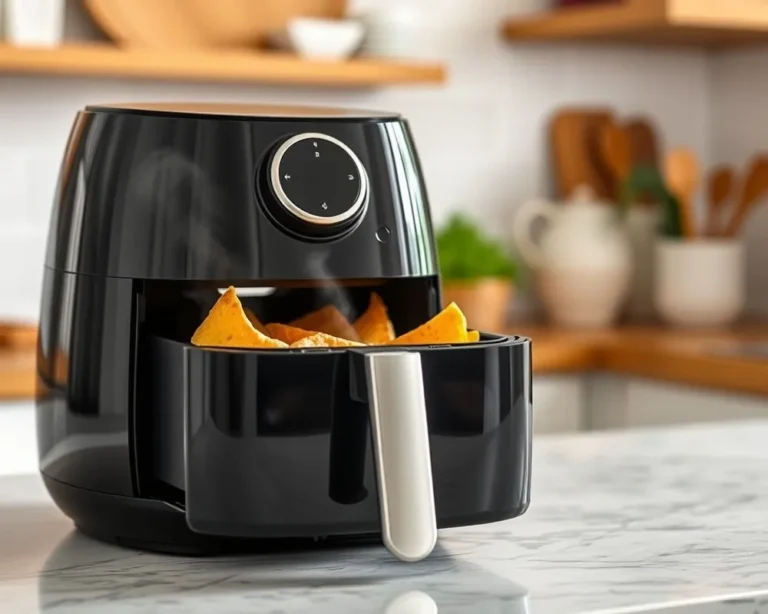
You pulled the basket out, expecting golden, crispy bites. Instead, you got dry, pale, and honestly pretty boring food. If you’ve ever wondered why air fryer food tastes bland, you’re not alone.
It’s the number one complaint from new owners, and it has nothing to do with the machine being broken.
Air fryers cook differently than deep fryers or ovens. They circulate hot air rapidly, which can strip moisture and mute flavors if you don’t adjust your approach. The good news?
Once you understand what’s going on, you can fix it with a few simple tweaks.
Table of Contents
- The Fat Factor: Why Air Fryers Need More Oil Than You Think
- Moisture Loss: The Hidden Flavor Killer
- Seasoning Traps: Why Your Spices Aren’t Sticking
- Overcrowding: The Silent Saboteur
- Preheating Mistakes: Missing the Maillard Reaction
- Recipe Adaptation Errors: Not All Oven Recipes Translate
- Practical Fixes for Flavorful Air Fryer Food
- Common Mistakes That Lead to Bland Results
- Cleaning and Maintenance: How Residual Smells Affect Taste
- FAQ
- Final Verdict
- Key Takeaways
1. The Fat Factor: Why Air Fryers Need More Oil Than You Think
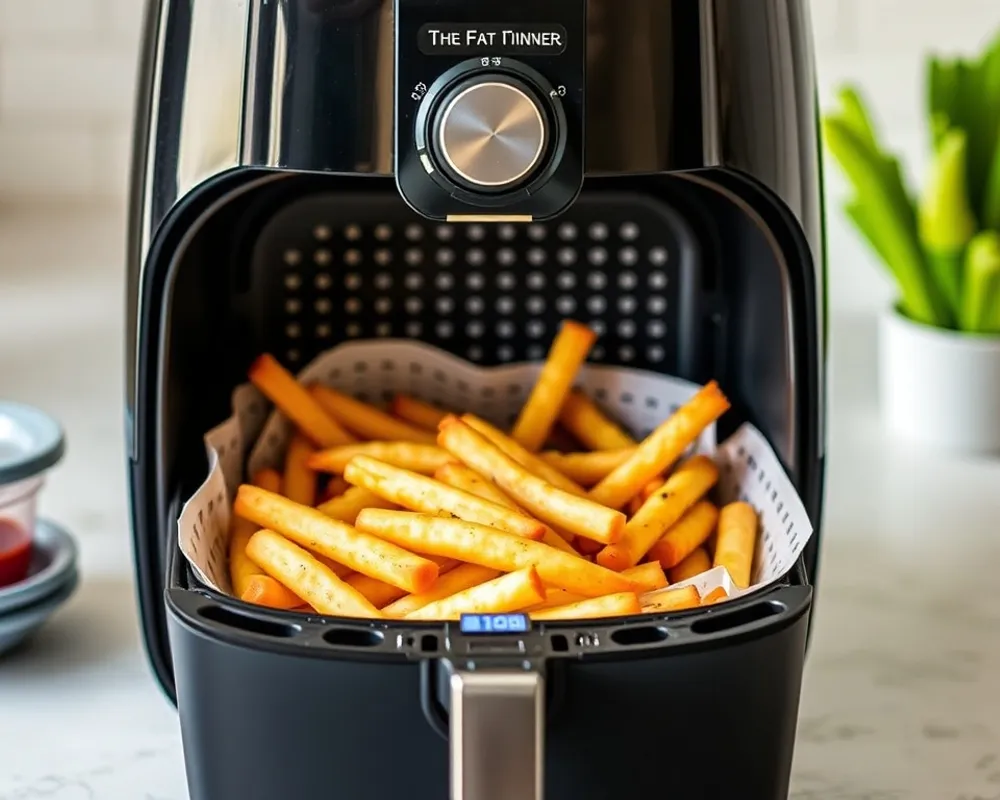
Featured Snippet Answer: Air fryer food tastes bland largely because the rapid air circulation strips moisture and requires less oil than deep frying. Without enough fat, flavors don’t carry, browning is uneven, and food dries out. The solution is to lightly coat food with oil (1, 2 teaspoons per serving) using a spray bottle or brush.
Most people assume “air frying” means zero oil. That’s the first mistake. While air fryers use a fraction of the oil compared to deep frying, you still need some fat to transfer heat, promote browning, and carry fat-soluble flavors.
When food has no oil, the hot air hits dry surfaces. The exterior dehydrates before it browns, leaving a tough, pale crust. That pale crust means less browning, and less browning means less of the deep, savory flavor we associate with fried food.
The solution: Use an oil sprayer (not aerosol cans, which can damage the nonstick coating) to mist your food with a neutral oil like avocado, grapeseed, or canola. Aim for a light, even coating, about 1, 2 teaspoons per serving. For foods like frozen breaded items that already have some fat, you can skip the extra oil, but for raw vegetables, meats, and homemade coatings, a little oil is non-negotiable.
2. Moisture Loss: The Hidden Flavor Killer
Air fryers are essentially small convection ovens with high fan speed. That fan pulls moisture out of food faster than a regular oven. When moisture evaporates too quickly, the food can become dry and bland, especially lean proteins like chicken breast, fish, or vegetables.
Dry food doesn’t just taste dry; it also loses the ability to hold onto seasonings. Salt and spices need a little moisture or fat to dissolve and cling to the surface. Without it, they fall off into the basket.
The fix: Brine or marinate lean meats before air frying. A simple 30-minute soak in salted water (for chicken) or a quick marinade with acid (lemon, vinegar) and oil helps lock in moisture. For vegetables, toss them in oil and salt and let them sit for 5 minutes before cooking.
You can also spritz a little water into the basket halfway through cooking for foods that dry out too fast, but be careful not to create steam, which ruins crispiness.
3. Seasoning Traps: Why Your Spices Aren’t Sticking
You seasoned your chicken wings generously, but after cooking, most of the rub ended up in the basket. Sound familiar? Air fryers blow air hard, literally.
Loose, dry seasonings get blown off the food before they have a chance to adhere.
The solution: Bind your seasonings with a little oil, mustard, or egg wash. For dry rubs, mix the spices with a tablespoon of oil to create a paste, then coat the food. For breaded items, use a wet dredge (flour → egg → breadcrumbs) instead of just tossing dry breadcrumbs with seasoning.
Also, season in layers. Salt the food directly (not just the coating) so the flavor penetrates the meat or vegetable. For example, sprinkle salt on chicken thighs before adding the oil and rub.
4. Overcrowding: The Silent Saboteur
You’re hungry, so you fill the basket to the brim. Bad move. Overcrowding blocks the hot air from circulating properly.
Instead of browning, the food steams in its own moisture. Steamed food never develops that crispy browned crust, and without that crust, flavor is flat.
The rule of thumb: Only fill the basket halfway (or less) for maximum crispiness. Spread food in a single layer with space between pieces. If you need to cook more, do it in batches.
Yes, it takes longer, but the taste is night and day.
Even frozen items like the air fryer mozzarella sticks frozen or air fryer frozen corn dogs need breathing room. Overcrowding makes them soggy and bland.
5. Preheating Mistakes: Missing the Maillard Reaction
The Maillard reaction, that complex browning that creates deep, savory, nutty flavors, kicks in at around 300°F. If you put cold food into a cold air fryer, it takes too long to reach that temperature. By the time the surface gets hot enough to brown, the inside is overcooked.
The fix: Always preheat your air fryer for 3, 5 minutes at the cooking temperature. Some models have a preheat button; others you just run empty. Preheating ensures the food hits that high heat immediately, creating better color and flavor.
One exception: very delicate items like fresh herbs or cheese. But for most meats, vegetables, and breaded foods, preheat every time.
6. Recipe Adaptation Errors: Not All Oven Recipes Translate
You found a killer oven recipe for roasted broccoli, 425°F for 20 minutes. You threw it in the air fryer at the same temperature and time. Now you have burnt, bitter, bland broccoli.
Oven times and temperatures don’t transfer directly to air fryers. Because air fryers are smaller and circulate air faster, they cook faster and at slightly lower temperatures. The general rule: reduce oven temperature by 25°F and check food 20, 30% earlier.
But blandness isn’t just about timing. Oven recipes often rely on caramelization over a longer period, which develops deeper flavor. In an air fryer, you may need to add a touch of sugar (honey, maple syrup) or a finishing sauce to mimic that depth.
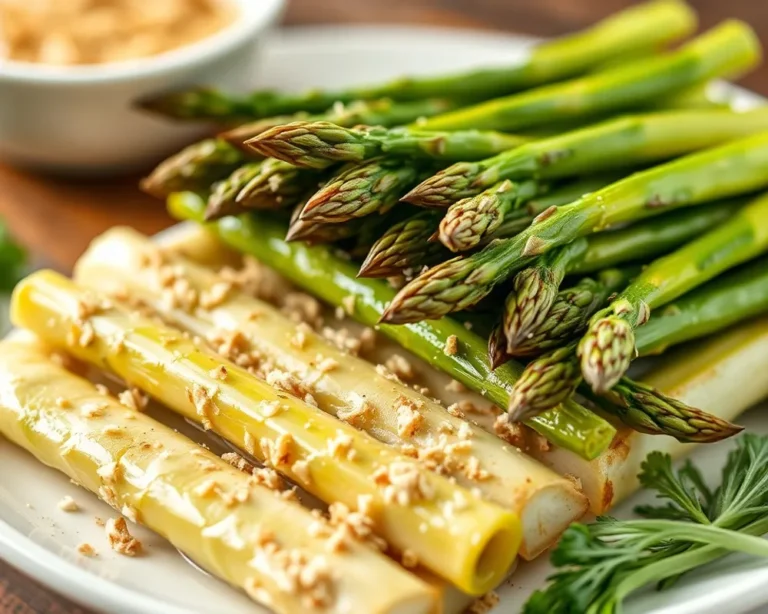
Check out our air fryer asparagus recipe for a perfect example of temperature and timing adjustments that keep flavor intact.
7. Practical Fixes for Flavorful Air Fryer Food
Here’s a quick toolkit you can apply to almost any dish:
- Use a marinade, At least 30 minutes for meat, 10 for vegetables.
- Pat food dry, Moisture on the surface steams, not browns. Blot with paper towels before oiling.
- Spray oil halfway through, Opens the basket, spritz, continue. This helps browning without overcooking.
- Finish with flaky salt, A pinch of Maldon or kosher salt right after cooking boosts perceived saltiness and adds crunch.
- Add umami, A dash of soy sauce, Worcestershire, fish sauce, or nutritional yeast in your marinade amps up savory notes.
- Toss in sauce after cooking, For wings, fries, or nuggets, cook them plain (or with minimal seasoning) and toss in a bold sauce afterward. This prevents the sauce from burning and keeps flavors intense.
- Layer flavors, Season the exterior, but also season the interior (if possible). For chicken, season under the skin. For vegetables, toss with salt, oil, and garlic powder before cooking.
8. Common Mistakes That Lead to Bland Results
- Skipping oil entirely. Even frozen fries benefit from a light oil spray.
- Using low-quality or old spices. Freshness matters, spices lose potency after 6 months.
- Not salting enough. Air fryers can make food taste less salty because moisture is reduced. Increase salt by 25% compared to oven recipes (but taste first).
- Cooking straight from the fridge. Cold food takes longer to brown. Let meat sit at room temperature for 15 minutes before cooking (safely, under 2 hours).
- Using breadcrumbs that aren’t seasoned. Plain panko or breadcrumbs need salt, herbs, and often a little oil to brown.
- Not shaking the basket. For small items like diced potatoes or air fryer chicken bites, shake halfway through to redistribute for even browning.
9. Cleaning and Maintenance: How Residual Smells Affect Taste
A dirty air fryer can make food taste off. Grease buildup, burnt-on crumbs, and lingering soap residues all contribute to bland or weird flavors. Plus, leftover odors from a previous cook can transfer to the next batch.
Cleaning tips:
- Clean the basket and drawer after every use (once cool). Use warm soapy water and a soft sponge. Avoid abrasive scrubbers.
- For stuck-on residue, soak with hot water and a little dish soap for 10 minutes.
- Wipe the heating element gently with a damp cloth if you see splatter, but don’t get it wet.
- Run a cycle with lemon juice and water (1 tablespoon lemon juice + 1 cup water) at 400°F for 5 minutes to deodorize.
A properly cleaned air fryer doesn’t just taste better, it also lasts longer. See our detailed how to clean an air fryer guide for step-by-step instructions.
If your machine smells like plastic when new, that odor can also make food taste bland or chemical. Follow our guide on how to get rid of plastic smell in new air fryer before cooking your first meal.
10. FAQ
Q: Can I use olive oil in an air fryer?
Yes, but extra virgin olive oil has a lower smoke point (about 375°F). For most air frying (400°F+), use refined olive oil, avocado oil, or grapeseed oil instead.
Q: Why does my chicken come out dry and bland?
Chicken breast is lean and loses moisture quickly. Brine it for 30 minutes in salt water, pat dry, oil lightly, and cook at 375°F until internal temp hits 160°F. Let rest 5 minutes.
Q: Should I flip food halfway?
For thicker items like chicken thighs or potatoes, yes. For thin items like fries or air fryer plantain chips, shaking the basket is enough.
Q: How much oil should I use per batch?
About 1, 2 teaspoons per serving for vegetables, 1, 2 tablespoons per pound for meat. Too little = bland, too much = greasy.
Q: Does preheating really matter?
Absolutely. A cold start means less browning and longer cook times, both of which lead to bland results.
Q: Can I add sauce before cooking?
Not usually. Sauces with sugar or tomato paste burn quickly in the air fryer. Toss cooked food in sauce after removal.
Q: Why are my vegetables still bland?
You likely didn’t use enough oil or salt, or you overcrowded the basket. Try tossing with oil and seasoning, then cook in a single layer at 400°F.
Q: My frozen items taste like cardboard. What went wrong?
Frozen items often have a thin batter. Air fry them a little hotter (400°F) and spray with oil to help the coating crisp.
11. Final Verdict
Air fryer food doesn’t have to be bland. The culprit is almost always one of these: too little oil, too much moisture loss, improper seasoning, overcrowding, or skipping the preheat. Once you address these, your air fryer can produce food that’s crisp, juicy, and packed with flavor.
Treat the air fryer like a high-speed convection oven, not a miracle machine. You still need the basics, fat, salt, heat, and space. Adjust your techniques, and you’ll never call air fryer food boring again.
If you’re looking for inspiration, try our air fryer chocolate chip cookies (they’re crisp on the outside, chewy inside) or our air fryer canned biscuits for golden, buttery results that taste anything but bland.
12. Key Takeaways
- Always use a light coating of oil to promote browning and carry flavor.
- Brine or marinate lean proteins to retain moisture.
- Season in layers, bind rubs with oil or wet ingredients.
- Don’t overcrowd the basket; leave space for air circulation.
- Preheat the air fryer for at least 3 minutes.
- Adapt oven recipes by reducing temperature 25°F and checking early.
- Clean the basket thoroughly after each use to avoid residual odors.
- Finish with flaky salt or toss in a sauce after cooking for a flavor boost.
- Use the right internal links: check our guide on how long to cook salmon in air fryer at 400 for perfectly flaky, not dry, salmon.
- …the coating crisp. For another quick snack, our air fryer mozzarella sticks frozen recipe shows how to get that perfect crunch.
- …keep flavor intact. Check out our air fryer asparagus for timing adjustments.
- …even browning. For diced potatoes or air fryer chicken bites, shaking halfway is key.
- …a properly cleaned air fryer doesn’t just taste better, see our how to clean an air fryer guide.
- …follow our guide on how to get rid of plastic smell in new air fryer before cooking.
- …our air fryer chocolate chip cookies (crisp outside, chewy inside).
- …perfectly flaky salmon, see how long to cook salmon in air fryer at 400.