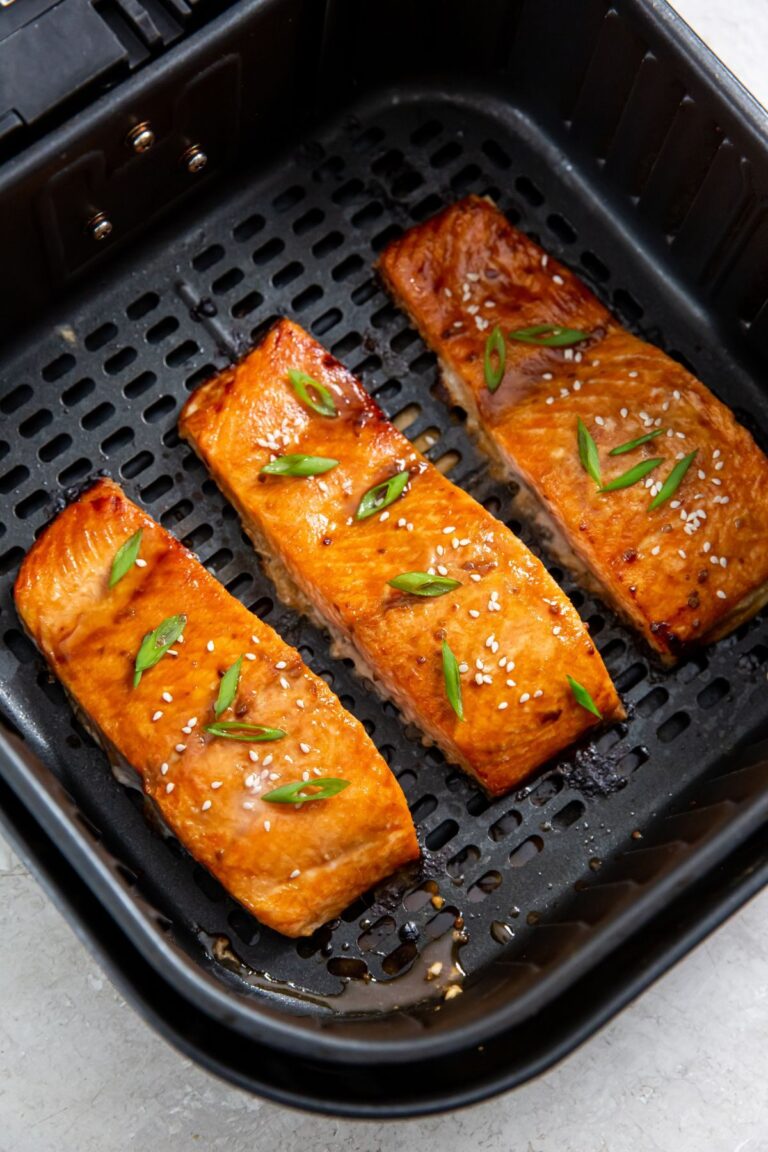

Guide to Air Fryer Frozen Salmon Fillets Recipe in 2026
You don't need to thaw frozen salmon before cooking it in an air fryer. This air fryer frozen salmon fillets recipe gives you a flaky, moist fillet in under 20 minutes with zero defrosting. The trick is getting the temperature and timing right for the thickness of your fillets.
The FDA recommends cooking fish to an internal temperature of 145°F. Our research shows that the most reliable way to hit that target with frozen salmon is a consistent 380°F with time adjustments based on thickness. Let's walk through exactly how to get perfect results every time.
Quick Answer
Cook frozen salmon fillets in an air fryer at 380°F for 12 to 18 minutes. Adjust time based on thickness. Use an instant-read thermometer to confirm 145°F internal temperature.
No thawing required. Pat the fillets dry, season lightly, and spray with oil.
Why Cooking Frozen Salmon in an Air Fryer Needs a Proper Method
Salmon is a fatty fish, but it dries out fast when overcooked. Frozen fillets add another layer of difficulty. The ice glaze on the surface throws off timing, and uneven thickness means some parts cook faster than others.
Here is what makes frozen salmon tricky in an air fryer.
The ice factor. Most frozen salmon fillets come with a thin ice coating. That glaze protects the fish in the freezer, but in an air fryer it creates steam. Steam keeps the surface from browning.
If you skip patting the fillets dry, you end up with pale, soggy fish instead of a light crust.
Thickness variation. Commercial frozen fillets range from half an inch to over an inch thick. A thin tail piece might cook in 10 minutes. A thick center-cut fillet can need 18 minutes.
Using one generic time for all sizes guarantees trouble.
Hot air circulation. Air fryers cook by circulating hot air at high speed. That works great for crispy results, but frozen items release moisture as they heat up. That moisture can pool in the basket and slow down cooking.
So you have to manage both the heat and the humidity.
Safety matters. Undercooked salmon carries risks. The FDA sets 145°F as the safe internal temperature for fish. Hitting that number from frozen requires precise timing, not guesswork.
The good news? Once you know the method, frozen salmon turns out better in an air fryer than in the oven. The high heat and fast circulation give you a caramelized exterior while the inside stays moist.
You just have to follow a few rules.
The Right Temperature and Time for Frozen Salmon Fillets
Most air fryer recipes for frozen salmon settle on 380°F as the sweet spot. That temperature is high enough to brown the surface but not so high that the outside burns before the center thaws. As of 2026, aggregate reviews across popular air fryer brands confirm 380°F as the most consistent setting.
Time depends on thickness, not weight. A 6-ounce fillet that is half an inch thick cooks much faster than a 6-ounce fillet that is an inch thick. Measure the thickest part of the fillet with your fingers or a ruler.
Use this table as a starting point. Check with a thermometer at the low end of the range.
| Fillet Thickness | Cook Time at 380°F |
|---|---|
| ½ inch (thin tail pieces) | 10–12 minutes |
| ¾ inch (average fillet) | 12–14 minutes |
| 1 inch (standard center-cut) | 14–16 minutes |
| 1¼ inches (thick fillets) | 16–18 minutes |
A few important notes on timing.
Preheat always. Drop frozen salmon into a cold air fryer and the cooking time shifts completely. Preheat for 3 to 5 minutes at 380°F before adding the fish. If your air fryer model runs hot or cool, adjust.
Some smaller units run hotter than larger ones. Refer to our air fryer temperature conversion chart if you are adapting from another appliance.
Flip halfway. At the midway point, open the basket and flip the fillets with tongs. This helps both sides cook evenly and lets any accumulated steam escape. It also prevents the skin from sticking to the basket.
One layer only. Crowding the basket drops the temperature and extends cooking time. Leave at least half an inch between fillets. If you are cooking for four people, cook in batches.
It takes longer overall but the results are much better.
Skin on or off. Skin-on fillets cook the same way. The skin protects the delicate flesh from direct heat and peels off easily after cooking. Skinless fillets benefit from a light spray of oil to keep the surface from drying out.
How to Tell When Frozen Salmon Is Fully Cooked (Use a Thermometer)
Color and flaking are unreliable guides when you start from frozen. The outside can look fully cooked while the center is still cold. A digital instant-read thermometer is the only tool that gives you a definite answer.
The target. Insert the thermometer into the thickest part of the fillet. The FDA safe minimum is 145°F. At that temperature the salmon is opaque throughout and flakes easily with a fork.
How to check. Pull the fillet out of the air fryer. Insert the probe from the side, not the top, so it reaches the center without hitting the basket. Read the temperature after 3 to 5 seconds.
Carryover cooking matters. Salmon continues to cook after it leaves the air fryer. If you pull it at exactly 145°F, the internal temperature will rise another 3 to 5 degrees during resting. That means it can go past 150°F and start drying out.
Pull the fillet at 140°F to 142°F and let it rest for 2 minutes. The carryover heat will bring it to 145°F safely.
What if you do not have a thermometer? You can test by pressing the thickest part with a fork. If the flesh separates into clean flakes and is opaque all the way through, it is done. But this method is less accurate from frozen.
A thermometer costs less than a ruined dinner and removes all guesswork.
Watch for visual cues too. While you rely on the thermometer, also look for these signs. The salmon should change from translucent deep orange to opaque lighter pink. White albumin, the protein that looks like white curds, may appear on the surface.
That is normal and safe, though it indicates the fish is at or near the proper temperature.
Step-by-Step: Air Fryer Frozen Salmon Fillets Recipe
Here is the complete process from freezer to plate. This method works for any air fryer model, basket style or oven style.
Prep Time: 5 minutes
Cook Time: 12 to 18 minutes
Total Time: 17 to 23 minutes
Servings: 2
Equipment Needed
- Air fryer (any size, preheated)
- Instant-read thermometer
- Tongs
- Paper towels
- Small bowl for seasoning
Ingredients
- 2 frozen salmon fillets (4 to 6 ounces each, skin on or off)
- 1 teaspoon olive oil or avocado oil spray
- ½ teaspoon salt
- ¼ teaspoon black pepper
- Optional seasoning: garlic powder, paprika, lemon pepper, or dried herbs
Instructions
Preheat the air fryer. Set it to 380°F and let it run empty for 3 to 5 minutes.
Prepare the frozen fillets. Remove them from the package. Rinse briefly under cold water to remove any ice crystals. Pat thoroughly dry with paper towels. Dry fillets brown better than wet ones.
Season the salmon. Rub or spray a light coat of oil over both sides. Sprinkle salt, pepper, and any additional seasonings. The oil helps the seasoning stick and promotes browning.
Place fillets in the basket. Arrange them in a single layer with space between each fillet. Do not overlap. If cooking more than two fillets, work in batches.
Cook for half the time. Set the timer for half the estimated total. For a 1-inch fillet at 14 minutes, set it for 7 minutes.
Flip the fillets. Use tongs to turn each fillet over. This prevents sticking and promotes even cooking.
Cook the remaining time. Continue cooking until the thickest part reaches 140°F to 142°F.
Rest before serving. Remove the fillets from the basket and let them rest on a plate for 2 minutes. The internal temperature will climb to 145°F during this time.
Serve immediately. Squeeze fresh lemon over the top if desired.
Time guidelines by thickness
- ½ inch fillets: cook 5 minutes, flip, cook 5 to 7 minutes more
- ¾ inch fillets: cook 6 minutes, flip, cook 6 to 8 minutes more
- 1 inch fillets: cook 7 minutes, flip, cook 7 to 9 minutes more
- 1¼ inch fillets: cook 8 minutes, flip, cook 8 to 10 minutes more
Common Mistakes That Ruin Frozen Salmon in an Air Fryer
Even experienced home cooks make these errors. Avoid them and your results will improve dramatically.
Skipping the preheat. Dropping frozen salmon into a cold air fryer adds unpredictable time to the cook. The outside thaws slowly and the center stays raw longer. Always preheat for at least 3 minutes.
Not drying the fillets. That icy glaze creates steam. Steam keeps the surface pale and soft. Pat the fillets dry with paper towels until no visible moisture remains.
This simple step makes the difference between steamed fish and nicely browned fish.
Overcrowding the basket. Stacking fillets on top of each other or cramming them together blocks air flow. The air fryer needs room to circulate hot air around every surface. Cook in batches if needed.
The small extra time is worth it.
Using too much oil. Salmon is naturally fatty. A heavy coating of oil makes the fillets greasy and can cause smoking in the air fryer. A light spray or a thin brush of oil is plenty.
Checking too late or too early. Opening the basket every two minutes releases heat and extends cooking time. Trust your timer and only check at the halfway flip point and then near the end. Use a thermometer instead of cutting into the fish to peek.
Ignoring thickness. A single time recommendation for all frozen salmon fillets is a recipe for failure. Tail pieces cook fast. Thick center cuts need more time.
Measure, adjust, and use the thermometer.
Serving straight from the air fryer. Salmon benefits from a short rest. The carryover heat finishes the cooking and allows the juices to redistribute. Two minutes of rest makes a noticeable difference in moisture.
Forgetting to clean the basket afterward. Fish leaves a noticeable odor in the air fryer. Clean the basket and tray promptly with warm soapy water. A lingering smell can transfer to the next thing you cook, like sweet potatoes or vegetables.
If you consistently cook fish, check how often should you clean your air fryer for best results.
Expert Tips for Moist, Flaky Results Every Time
A few small adjustments separate good salmon from great salmon. These tips come from aggregate feedback across home kitchens and manufacturer cooking guides.
Let the fillets rest before serving. This is the single most overlooked step. Pull the salmon at 140°F to 142°F and let it sit for two minutes. The carryover heat finishes the cooking without drying out the flesh.
Skip this step and you lose moisture.
Use a light hand with oil. Salmon already contains healthy fats. Too much oil creates a greasy surface and can cause smoking inside the air fryer. A single spray of avocado oil or a thin brush coating is all you need.
Our research shows that oil helps the seasoning stick but excess oil does not improve texture.
Season after drying, not before. Wet fillets repel seasoning. Pat the frozen salmon dry first, then apply oil and spices. The seasoning clings to the oil layer and stays in place during cooking.
Dry seasoning on a wet surface slides right off into the basket.
Experiment with the skin side. Skin-on fillets cook best with the skin side down for the first half. The skin protects the delicate flesh from direct heat and crisps up nicely. After flipping, the skin side finishes on top and stays crispy.
If you prefer skinless, spray the fillet lightly and watch the timing closely.
Consider your air fryer model. Basket-style air fryers cook faster than oven-style units. The smaller the basket, the closer the heating element. If yours runs hot, drop the temperature to 370°F and add a minute or two.
If you notice uneven browning, check the air fryer basket stuck issue for tips on even heat distribution.
Recipe Variations (Seasonings, Glazes, and Marinades)
Frozen salmon takes well to bold flavors. The mild taste of the fish pairs with nearly any seasoning profile.
Lemon pepper and garlic. Mix 1 teaspoon lemon pepper seasoning with ½ teaspoon garlic powder. Sprinkle over the oiled fillets before cooking. Squeeze fresh lemon juice over the finished salmon for brightness.
Spicy Cajun. Combine 1 teaspoon Cajun seasoning with ¼ teaspoon cayenne. Rub over the fillets. This works well with skinless fillets because the spice crust forms a nice bark.
Serve with cooling sides like a cucumber salad.
Soy ginger glaze. Mix 1 tablespoon soy sauce, 1 teaspoon honey, and ½ teaspoon grated ginger. Brush the glaze onto the fillets after flipping at the halfway point. The glaze caramelizes in the remaining cook time.
Watch closely to prevent burning.
Herb and dill. Use dried dill, parsley, and a pinch of onion powder. This classic combination complements salmon without overpowering it. Add a pat of butter during the last two minutes of cooking for extra richness.
Maple mustard. Whisk 1 tablespoon maple syrup with 1 tablespoon Dijon mustard. Brush onto the fillets during the last 4 minutes of cooking. The sugar in the syrup can burn if applied too early, so timing matters.
Feel free to experiment with spice blends. If you want a different white fish, try the air fryer frozen tilapia recipe for a similar method with a milder flavor.
What to Serve With Air Fryer Salmon
Salmon pairs well with quick sides that cook in the same time frame. A full meal comes together in under 30 minutes.
Roasted vegetables. Toss broccoli, asparagus, or bell peppers with oil and salt. Add them to the air fryer basket during the last 8 to 10 minutes of the salmon cook time. The air fryer mixed vegetables recipe gives you a reliable method for perfectly roasted veg.
Rice or quinoa. Cook a grain on the stovetop while the salmon cooks. The mild nuttiness of brown rice or quinoa balances the richness of the fish.
Fresh salad. A simple green salad with lemon vinaigrette cuts through the salmon's natural oils. Arugula or spinach with cherry tomatoes and a light dressing works well.
Potatoes. Air fryer diced potatoes or sliced potatoes make a hearty side. Cook them separately because they need a longer time than salmon. Start the potatoes first and add the salmon later for a synchronized meal.
Steamed greens. If you want something light, steam spinach or kale in the microwave or on the stovetop. A squeeze of lemon finishes it off.
Storing and Reheating Leftover Frozen Salmon
Cooked salmon keeps well for a few days when stored properly. The key is preventing it from drying out during reheating.
Storing. Let the salmon cool completely after cooking. Place it in an airtight container. It will stay fresh in the refrigerator for 3 to 4 days.
Do not leave salmon at room temperature for more than 2 hours.
Reheating in the air fryer. Preheat the air fryer to 300°F. Place the leftover fillet in the basket and cook for 3 to 4 minutes. Check the internal temperature and stop once it reaches 125°F.
This gentle heat warms the fish without overcooking it. Higher temperatures turn leftovers into dry, crumbly flakes.
Reheating in the microwave. This is faster but riskier. Place the fillet on a microwave-safe plate and cover it with a damp paper towel. Microwave on medium power in 30-second bursts.
Stop as soon as it is warm. The paper towel adds moisture to prevent drying.
Reheating in the oven. Preheat to 275°F. Wrap the salmon loosely in foil and warm for 10 to 12 minutes. The foil traps steam and keeps the fish tender.
This method takes longer but gives the most consistent results.
Frequently Asked Questions
Can I cook frozen salmon in an air fryer without thawing?
Yes. That is the point of this method. Cooking from frozen saves 30 to 60 minutes of defrosting time.
Just adjust the cook time and use a thermometer to confirm doneness.
How do I keep frozen salmon from sticking to the air fryer basket?
Pat the fillets dry and spray the basket lightly with oil before adding the fish. Also spray the top of the fillets. Flipping halfway through helps release any sticking points.
What is the best oil for air frying frozen salmon?
Avocado oil and olive oil spray work well. Avocado oil has a higher smoke point, so it handles the 380°F temperature without burning. Olive oil is fine for shorter cooks.
Why does my frozen salmon come out dry in the air fryer?
Overcooking is the most common cause. Use a thermometer and pull the salmon at 140°F to 142°F. Let it rest so carryover heat finishes the job.
Also check that your air fryer is not running hotter than the dial indicates. Use a separate oven thermometer to verify.
Can I use marinades on frozen salmon before cooking?
Dry rubs work better than wet marinades on frozen fillets. Wet marinades slide off the icy surface. Apply wet glazes after the halfway flip so they have time to caramelize without burning.
How do I get crispy skin on frozen salmon in an air fryer?
Cook the fillet with the skin side down for the first half of the time. Do not flip it. The direct heat crisps the skin.
At the halfway point, flip it skin side up and finish cooking. The skin stays crispy if you do not over-oil it.
Is it safe to cook salmon from frozen in an air fryer?
Yes, as long as it reaches 145°F internally. The air fryer heats evenly enough to kill bacteria. Use a reliable meat thermometer to confirm the temperature.
Can I cook multiple frozen salmon fillets at once in a basket air fryer?
Only if they fit in a single layer without overlapping. If your basket is small, cook in batches. Overcrowding drops the temperature and leads to uneven cooking.
A larger oven-style air fryer can handle 4 fillets easily.
Final Thoughts
Cooking frozen salmon in an air fryer is one of the fastest ways to get a healthy dinner on the table. No thawing, no planning ahead, and minimal cleanup.
The method works every time if you follow three rules. Preheat the air fryer. Pat the fillets dry.
Use a thermometer to hit 145°F. That is all it takes.
Once you master the basics, experiment with seasonings and sides. This air fryer frozen salmon fillets recipe becomes a go to for busy weeknights. Keep a bag of frozen fillets in your freezer and you are always one quick cook away from a satisfying meal.