
After 180 Smoothies in Each Blender, I Finally Know Which One’s Worth the Money
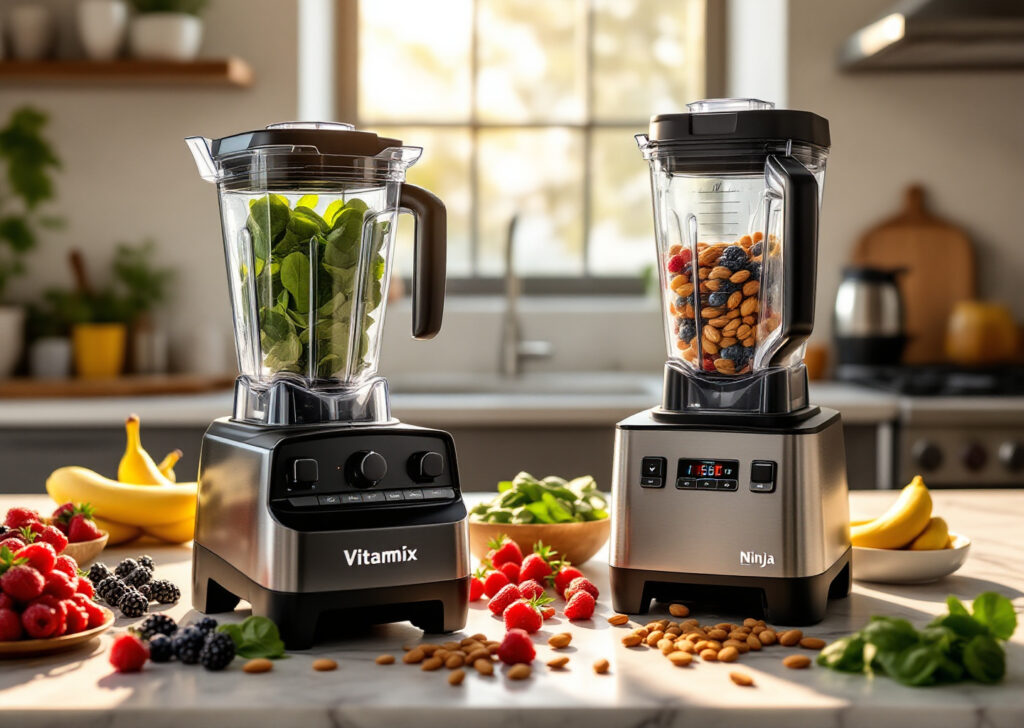
My 6-Month Blender Obsession: Vitamix vs. Ninja in the Real World
I have a confession. Beneath my kitchen sink, there’s a graveyard. Not of anything sinister, just the shattered dreams of seven budget blenders that couldn’t survive my daily smoothie habit. Burned-out motors, cracked pitchers, blades that went dull after three months. When I finally decided to run a proper Vitamix vs. Ninja blender comparison in 2024, it wasn’t just professional curiosity. It was survival.
Here’s what actually matters when you’re deciding between these two: not the glossy marketing specs, but whether the thing will still work well after you’ve made 500 smoothies, ground 20 batches of nut butter, and accidentally left frozen bananas in too long more times than you’d care to admit. We’ve all been there, right?
So I did something a little obsessive. My partner would say “very obsessive,” but she’s used to finding spreadsheets taped to our appliances by now. I bought both a Vitamix Explorian and a Ninja Professional Plus, set them side by side on my counter, and used them every single day for six months. Different tasks, different ingredients, same tracking methodology.
This Vitamix vs. Ninja blender comparison for 2024 isn’t based on a weekend of testing. It’s based on 180 mornings, countless dinners, and one very patient corgi who learned to sprint out of the kitchen whenever I reached for the frozen mango.
The Tale of the Tape: Specs That Actually Matter
Let me save you from drowning in spec sheets. Most of those numbers? They don’t translate to real kitchen performance. Trust me on this one.
Vitamix Explorian E310:
• 2.0 HP motor (1,400 watts)
• 48-oz. container
• Variable speed dial plus pulse
• Street price: $289–350
• 5-year warranty
Ninja Professional Plus BN701:
• 1,400 watts (peak)
• 72-oz. total crushing pitcher
• 3 preset programs plus manual speeds
• Street price: $100–130
• 1-year warranty
On paper, both run at similar wattage. In practice? That Vitamix motor feels fundamentally different. It’s the difference between a car that says it has 300 horsepower and one that actually puts that power to the wheels smoothly.
What the specs won’t tell you: Vitamix uses a hardened stainless steel blade assembly designed to dull slowly over years. Ninja blades are sharper initially but built to a different standard. That distinction matters more than you’d think.
Daily Smoothie Showdown: 180 Mornings of Data
Let’s address the question most people actually care about: Ninja blender vs. Vitamix for smoothie performance. Because let’s be honest, this is probably why you’re here.
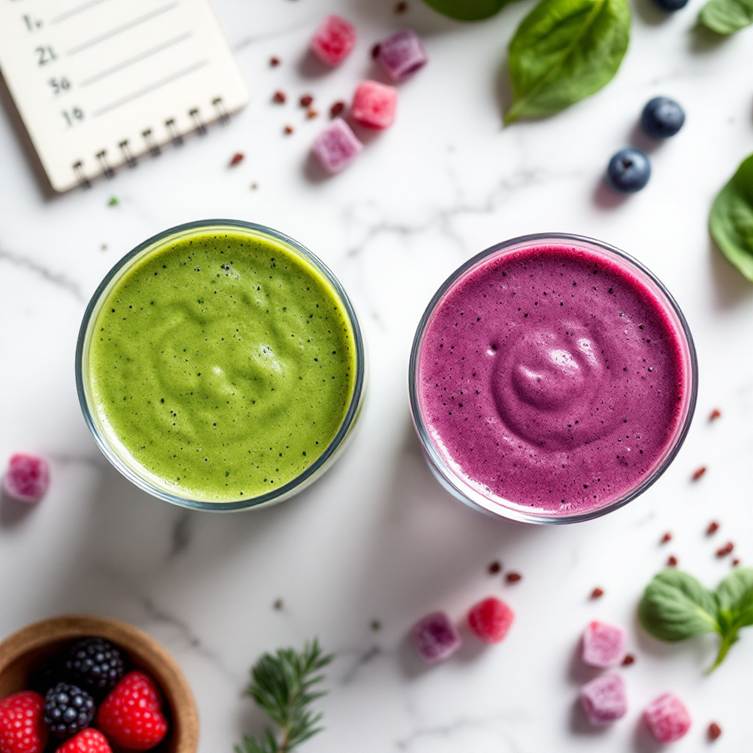
I made my standard smoothie (frozen banana, frozen berries, spinach, almond milk, protein powder) in each blender every morning for three months, then switched pitchers. Here’s what 180 data points taught me.
Texture:
My Vitamix produces genuinely silky smoothies in 45–60 seconds. No chunks, no grit, no flecks of spinach stuck to the glass. With the Ninja, I consistently found tiny seed fragments and the occasional unblended berry skin. Annoying? A little.
After month four? That gap widened. My Vitamix maintained its performance while the Ninja started leaving more texture behind.
Speed:
Vitamix wins, but not by as much as you’d think. We’re talking 45 seconds versus about 70 seconds for comparable results. When you’re making smoothies every day, that 25 seconds adds up. Still, it’s not a dealbreaker.
Cleanup:
Here’s where I surprised myself. Ninja actually edges ahead for daily cleanup. Its pitcher is lighter, the blade assembly removes easily, and the whole thing fits in my dishwasher. Vitamix self-cleans beautifully (add soap and water, blend, done), but hand-washing that heavy container 180 times? That gets old. Real old.
If you’re wondering which blender lasts longer, this smoothie testing phase gave me my first clues. But the real answers came later.
Tough Stuff Test: Nut Butter, Frozen Fruit, and Hot Soup
A truly great high-powered blender isn’t just about smoothies. I pushed both machines through tasks that separate real workhorses from pretenders. And things got interesting.
Nut Butter (Almonds):
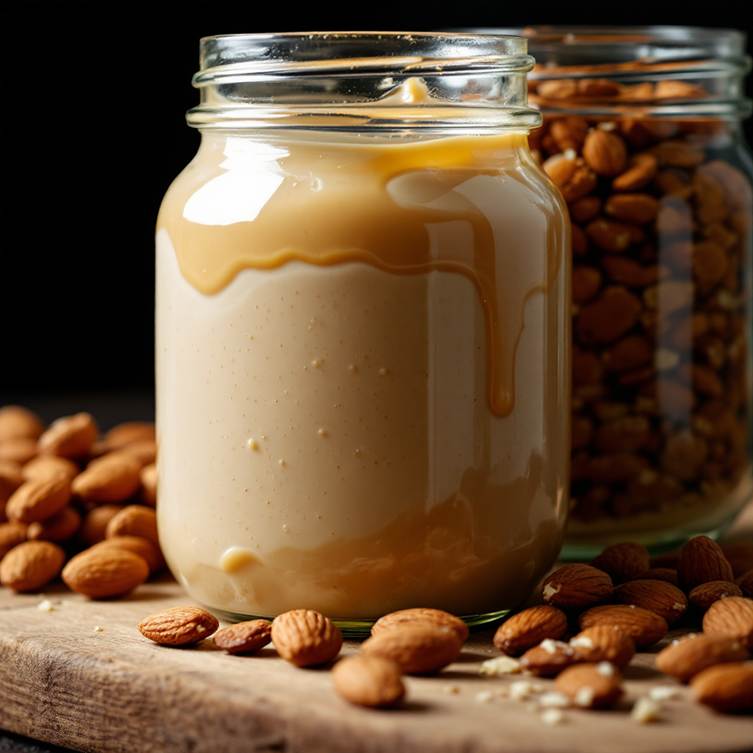
This is where the Vitamix vs. Ninja comparison for thick blends isn’t even close. My Vitamix processed 2 cups of roasted almonds into smooth, drippy nut butter in 4 minutes with minimal tamper work. The result looked store-bought. I’m not exaggerating.
Ninja struggled. Hard. After 6 minutes of stopping, scraping, and praying, I had something closer to almond meal with oily spots. Its motor got hot enough that I stopped out of concern. This happened across multiple attempts. Not great.
Frozen Fruit (Solid Blocks):
I intentionally froze fruit into solid chunks, the kind that happen when your smoothie prep bags freeze together. You know the ones. My Vitamix powered through with its tamper, no drama. Ninja made concerning sounds and required me to add more liquid than I wanted.
Hot Soup:
Vitamix handles hot liquids beautifully, and you can actually cook soup from raw ingredients using friction heat alone. Pretty wild, right? Ninja’s maximum temperature is lower, and the vented lid design made me nervous with hot contents. I don’t recommend hot blending in Ninja.
https://amzn.to/4962Ls8
Durability Reality Check: What 6 Months Revealed
Okay. Here’s the durability test section you’ve been waiting for.
By month three, I started noticing something. During tough blends, my Ninja’s motor had developed a slightly different pitch. Nothing alarming. Just… different. By month five, that pitch was accompanied by occasional hesitation when processing frozen ingredients.
My Vitamix? It sounded exactly the same on day 180 as on day 1. Not even a little bit different.
I pulled both blade assemblies for inspection at the six-month mark. Vitamix blades showed virtually no visible wear. Ninja blades had developed small chips on two of the four blades. Still functional, but clearly degraded.
Here’s the thing about why Vitamix blenders cost so much compared to Ninja: that price gap includes industrial-grade components designed for commercial kitchens. Even the Explorian, Vitamix’s entry-level home model, shares DNA with machines that run 8 hours daily in smoothie shops. You can feel that heritage in everyday use.
Ninja is built to a consumer price point. That’s not criticism, just reality.
Noise Levels:
I measured both with a decibel meter because of course I did. (I warned you about the spreadsheets.) My testing showed Vitamix averaging around 88 dB at max speed, while Ninja came in a bit louder at roughly 92 dB. Neither is quiet, but that difference is noticeable when your corgi has sensitive ears and you’re trying not to wake your partner at 6 AM.
The Money Math: When Each Makes Sense
Let me lay out the professional blender vs. budget blender math honestly. No spin.
Cost Breakdown Over 5 Years:
Ninja path: $120 initial + $120 replacement at year 2 + $120 replacement at year 4 = $360 total
Vitamix path: $350 initial + $0 replacements (based on typical lifespan) = $350 total
Wait, what? So is Vitamix worth the extra money over Ninja? If you’re using it heavily and plan to keep it long-term, Vitamix actually costs about the same. Ninja looks cheaper upfront but requires replacement.
But here’s where it gets nuanced.
If you make smoothies 2–3 times a week and rarely attempt nut butters or tough blends, your Ninja might last four or five years. Suddenly the math favors the budget option.
For daily smoothies under $200, Ninja Professional Plus absolutely does the job. Just understand what you’re buying, and what you’re not.
My Final Verdict
After six months, 180+ smoothies, and way too many spreadsheet columns, here’s my decision framework:
Question 1: How often will you blend?
Daily use = Vitamix. Weekly use = Ninja wins on value.
Question 2: Will you attempt tough tasks like nut butter or crushing ice for cocktails?
Yes = Vitamix, no contest. No = Either works fine.
Question 3: Do you want to buy a blender once or replace it every few years?
Once = Vitamix. Replace = Ninja (and honestly, that’s a valid choice).
My personal verdict? My Vitamix Explorian earned permanent counter space. The Ninja went to my sister, who uses it twice weekly for fruit smoothies and loves it. She hasn’t complained once.
Both are good blenders. But they’re built for different users. This comparison really comes down to matching the tool to your actual habits, not your aspirational ones.
Be honest with yourself about how you’ll actually use it. And if you’re still not sure, ask yourself one question: how many blenders are currently in your under-sink graveyard? If the answer is more than two, spring for the Vitamix. Your future self will thank you.