How to Convert Oven Recipe to Air Fryer Temperature in 2026
Short Introduction
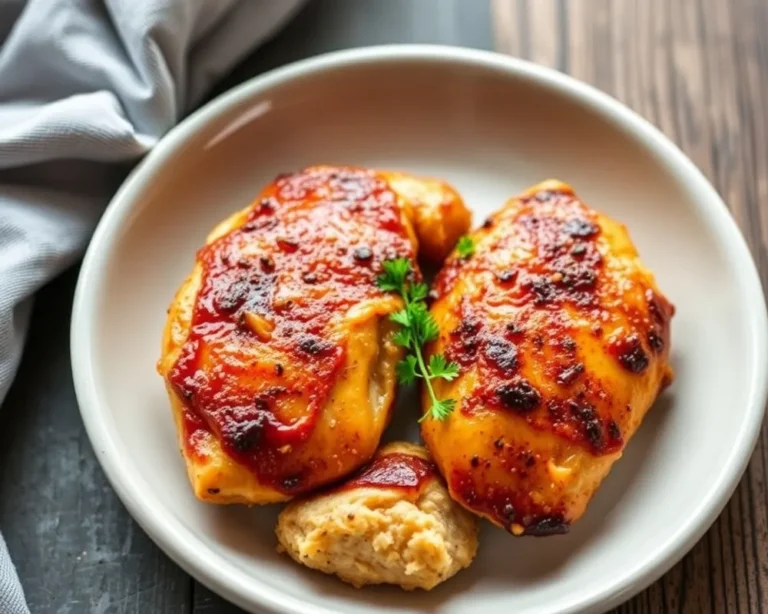
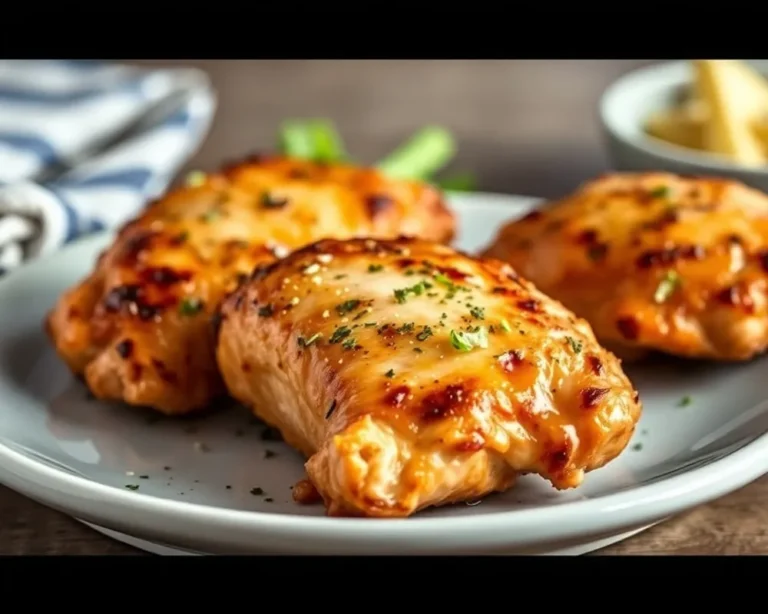
You found a killer recipe for roasted chicken thighs. Oven temp says 425°F. But you’re pulling out your air fryer instead.
Now what?
Guessing wrong means burnt outsides and raw centers. Or worse, dried-out meat that tastes like regret.
Good news: the conversion is dead simple. Drop the temperature by 25°F, reduce the time by roughly 20, 25%, and check early. That’s the skeleton of it.
But the real trick, the stuff that separates crispy perfection from mediocre results, lives in the details. Let me walk you through exactly how to convert oven recipe to air fryer temperature without ruining dinner.
Table of Contents
- The Basic Formula for Converting Any Oven Recipe
- Why the Temperature Drop Works
- Timing Adjustments: The 20, 25% Rule
- Converting Different Types of Food
- Batch Size Matters
- When to Keep the Oven Temperature the Same
- Preheating: Yes or No?
- The Shake-and-Flip Method
- Common Mistakes When Converting
- Safety Tips for Air Fryer Cooking
- Cleaning Your Air Fryer After Use
- FAQ
- Final Verdict
- Key Takeaways
The Basic Formula for Converting Any Oven Recipe
Featured Snippet Answer: To convert an oven recipe to air fryer temperature, reduce the oven temperature by 25°F. Then reduce the total cooking time by 20, 25%. Check for doneness 5 minutes early and adjust from there.
This works for most baked, roasted, and fried foods.
The math doesn’t get more complicated than this:
- Temperature: Oven temp minus 25°F
- Time: Oven time reduced by 20, 25%
That’s it. That’s the formula.
Here’s a quick reference:
| Oven Temp | Air Fryer Temp |
|---|---|
| 350°F | 325°F |
| 375°F | 350°F |
| 400°F | 375°F |
| 425°F | 400°F |
| 450°F | 425°F |
For example, if a casserole bakes at 375°F for 40 minutes in the oven, set your air fryer to 350°F and check it around 30 minutes. That 10-minute buffer gives you room to nail the timing without overshooting.
Why the Temperature Drop Works
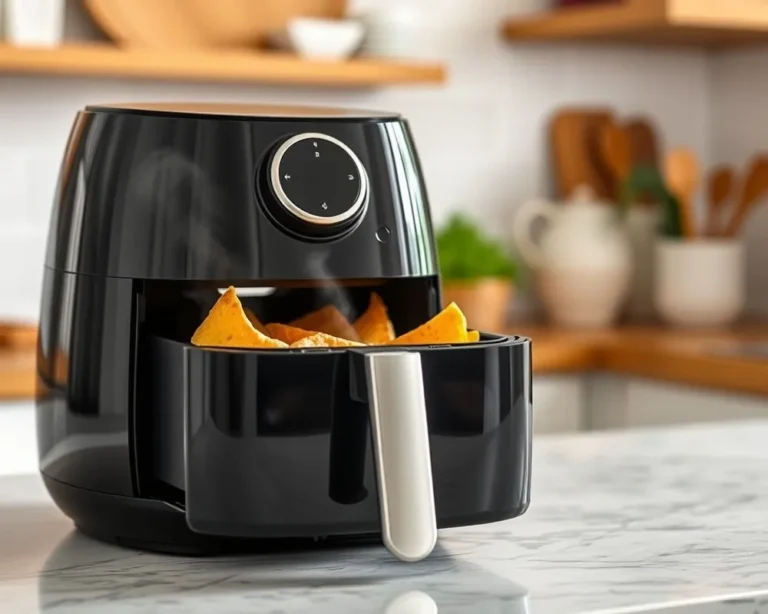
Air fryers aren’t really fryers. They’re small, powerful convection ovens. A fan blasts hot air around the food at high speed.
That circulating heat transfers energy way faster than still air in a conventional oven.
Think about it this way: in a standard oven, the heating elements glow, the air warms up slowly, and heat creeps toward your food. In an air fryer, a jet engine of hot air hits every surface from every angle. The same temperature that gently roasts in an oven will scorch the outside of food in an air fryer before the inside finishes cooking.
That 25°F reduction compensates for the aggressive heat transfer. You still get browning and crispiness, just without carbonized edges.
Timing Adjustments: The 20–25% Rule
Temperature is only half the equation. Time is where most people mess up.
Oven recipes assume gentle, even heating. Air fryers cook faster. Cutting time by 20, 25% is a safe starting point.
But here’s the nuance:
- Thin items (chicken tenders, fish fillets, fries): check at 15, 20% less time
- Thick items (chicken breasts, pork chops, whole vegetables): check at 25, 30% less time
- Baked goods (muffins, cookies, small cakes): check at 20, 25% less time
The thicker the food, the more the outside benefits from early checking. A thick pork chop can look perfect on the outside while the center still reads 130°F. Use a thermometer.
Don’t trust color alone.
Converting Different Types of Food
Meat and Poultry
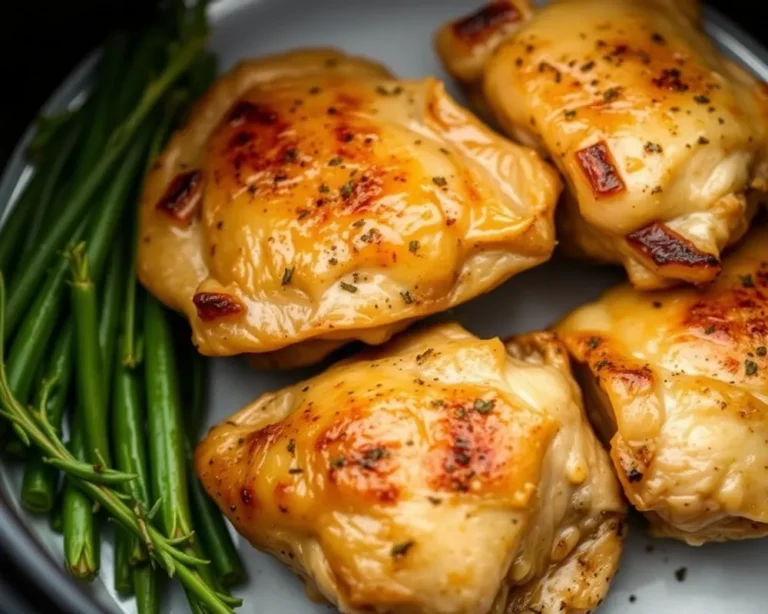
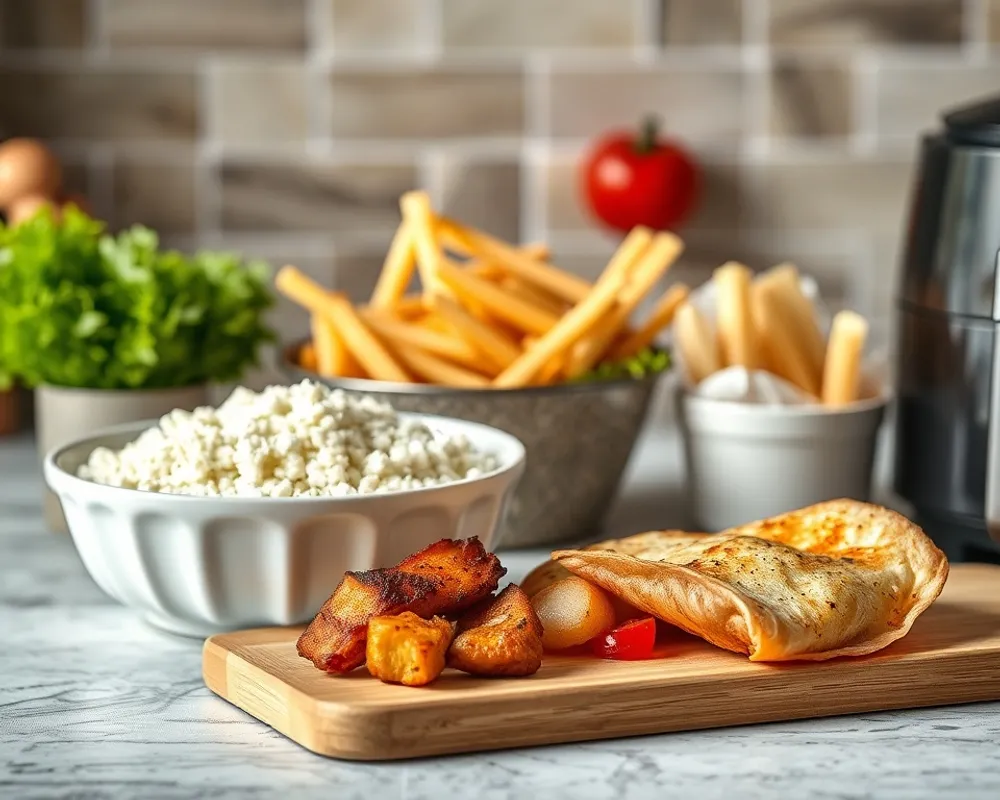
Whole chicken parts convert beautifully. For bone-in thighs or drumsticks that call for 400°F in the oven, go with 375°F in the air fryer and reduce time by about 25%. Always hit the right internal temperature, 165°F for poultry, 145°F for pork, 135, 145°F for beef depending on doneness.
Frozen proteins work well, too. If you’re wondering about timing specifics, check our guide on how long to cook frozen sausage in air fryer for exact times.
Vegetables
Roasted vegetables like broccoli, Brussels sprouts, or asparagus need less time in the air fryer. Oven temp of 425°F becomes 400°F. Check asparagus at 5, 6 minutes instead of 12, 15.
Toss with oil and seasonings before cooking for even coating.
Frozen Foods
Frozen items designed for the oven, mozzarella sticks, corn dogs, chicken tenders, are basically made for the air fryer. Keep the same temperature listed on the package (manufacturers usually account for convection already), but check 3, 5 minutes early.
Baked Goods
This is trickier. Air fryers dry out batter quickly. For something like air fryer chocolate chip cookies, drop the temperature by 25°F and reduce time by about 20%.
Watch the edges, they brown fast.
Reheating
Reheating leftovers converts differently. Oven reheat at 350°F for 10 minutes becomes air fryer at 325°F for 5, 7 minutes. The air fryer does a better job reviving crispy textures than the oven ever could.
Batch Size Matters
Air fryers work best when the basket isn’t crammed full. Overloading blocks air circulation, which means uneven cooking and longer times, which defeats the purpose of converting in the first place.
If your oven recipe serves 6 and your air fryer basket holds enough for 2, 3 portions, cook in batches. Don’t double the time and hope it evens out. It won’t.
The outer pieces will scorch while the inner ones stay pale.
Leave at least an inch of space between pieces. For fries or small items, keep a single layer with some gaps. If you need to cook more than a single layer, shake the basket halfway through and plan on adding 2, 3 extra minutes.
When to Keep the Oven Temperature the Same
Sometimes you want to keep the original oven temperature. Here’s when:
- Thin, delicate items that need fast browning before drying out
- Foods you want extra crispy on the outside (though watch closely)
- Recipes that already call for convection bake in the oven
If the original recipe specifies “convection bake,” that recipe was written for a fan-assisted oven. In that case, use the same temperature the recipe calls for, but still reduce the time by about 20%.
For standard bake recipes, always drop by 25°F.
Preheating: Yes or No?
Preheat your air fryer for 3, 5 minutes before adding food. This gives you accurate timing from the start.
Cold food going into a cold air fryer throws off the conversion math. The first few minutes are spent warming up the chamber rather than cooking the food. By the time it reaches temperature, your reduced cooking time has already passed, and the food is underdone.
Most air fryers preheat quickly, usually 3 minutes is enough. Set the temperature, run it empty, then open the basket, add your food, and start the timer.
The Shake-and-Flip Method
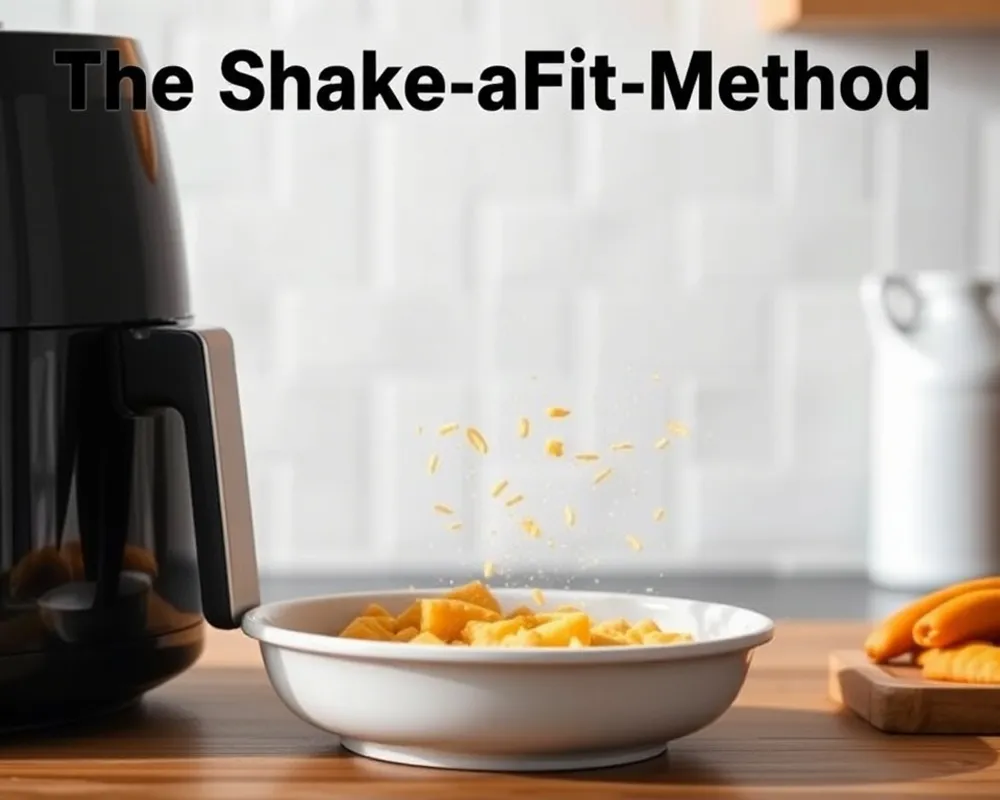
For small items, fries, nuggets, vegetables, anything in pieces, shake the basket halfway through cooking. This redistributes the food so every piece gets equal exposure to that fan-blown heat.
For larger items like chicken breasts or fish fillets, flip them once at the halfway mark. This prevents the bottom from steaming in its own juices while the top gets all the airflow.
Skipping this step means uneven results. It’s the single easiest thing you can do to improve your air fryer game.
Common Mistakes When Converting
Ignoring food thickness
A thin chicken cutlet and a thick chicken breast cook at very different rates. The formula works as a starting point, but thickness demands adjustment. Use a meat thermometer for thick cuts.
Trusting visual cues
Air fryer browning happens fast. Food can look done on the outside while still being raw inside. Don’t pull food based on color alone, especially for meats and baked goods.
Cooking everything at 400°F
Lots of people set their air fryer to 400°F for everything. That works for fries and frozen snacks, but it’ll burn delicate fish, dry out chicken breast, and turn vegetables into charcoal. Match the temperature to the food.
Not accounting for oil
Oven recipes often call for a tablespoon or two of oil. In an air fryer, you need less, about half. Too much oil creates smoke and soggy results.
Use an oil sprayer for even, light coverage. If you run into smoke issues, our article on why is my air fryer smoking covers the common causes.
Overfilling the basket
We covered this, but it’s worth repeating. Overloading is the #1 reason people say air fryers don’t work as well as ovens. They do.
You just need smaller batches.
Safety Tips for Air Fryer Cooking
Don’t use aerosol spray cans
Non-stick cooking sprays contain lecithin and propellants that damage the air fryer basket coating over time. Use a pump oil sprayer or brush oil on manually. The basket will last longer and won’t peel.
Keep the air fryer away from walls
Hot air exhausts from the back. Give your air fryer at least 5 inches of clearance on all sides. Blocking the vent causes overheating and can damage the unit.
Use oven-safe utensils
Plastic or silicone utensils that aren’t rated for high heat will melt inside the basket. Stick with metal or high-heat silicone.
Watch for smoke
If you see smoke, it’s usually excess oil or food debris burning. Pull the basket, check the food, and reduce the temperature if needed.
Cleaning Your Air Fryer After Use
Air fryers get greasy. Not cleaning them properly leads to smoke, off-flavors, and shorter appliance life.
Let the basket cool completely before washing. Hot metal hitting cold water warps the basket. Wash the basket and tray in warm soapy water with a non-abrasive sponge.
The coated surfaces scratch easily.
For stuck-on food, soak the basket in hot water for 10 minutes before scrubbing. Most baskets are dishwasher-safe, but hand washing preserves the non-stick coating longer.
Wipe the interior heating element with a damp cloth every few uses to prevent grease buildup. If you notice lingering smells, our guide on how to get rid of plastic smell in new air fryer has solutions that work for older units too.
Dry everything completely before reassembling. Moisture trapped inside breeds bacteria and rust.
FAQ
Can I use the same temperature for frozen food in the air fryer?
Yes, but you’ll need to adjust time rather than temperature. Frozen food usually needs the same temp as fresh, just 5, 8 minutes longer depending on thickness.
Do I need to preheat the air fryer for every recipe?
Preheating improves accuracy but isn’t mandatory. If you skip preheating, add 3, 4 minutes to your cooking time and check for doneness.
What if my air fryer runs hot?
Some air fryers cook hotter than the set temperature. If you notice consistent over-browning, reduce the temperature by an additional 10, 15°F.
Can I convert baked goods like cakes and muffins?
Small baked goods work well. Drop temperature by 25°F and reduce time by 20, 25%. Use small ramekins or silicone molds that fit in the basket.
Should I use a meat thermometer for air fryer cooking?
Absolutely. It’s the only reliable way to know food is safe to eat. Instant-read thermometers work fine for most cuts.
How do I convert a recipe that says “bake at 350°F for 1 hour”?
Set the air fryer to 325°F. Start checking at 40, 45 minutes. Use a thermometer for dense items like casseroles or whole chickens.
Why does my food come out drier in the air fryer than the oven?
The fan removes moisture faster. Brush or spray a light coating of oil before cooking to help retain moisture and promote browning.
Can I line the air fryer basket with parchment paper?
Yes, but use perforated parchment made for air fryers. Solid sheets block airflow and lead to uneven cooking.
Final Verdict
Converting an oven recipe to air fryer temperature isn’t guesswork. Drop the temp by 25°F, cut the time by 20, 25%, and check early. That three-step framework covers 90% of recipes you’ll throw at it.
The remaining 10%, delicate fish, dense baked goods, extra-large batches, just needs a watchful eye and a thermometer. Every air fryer runs slightly different. The one on your counter might cook 10°F hotter than your neighbor’s.
That’s why checking early and adjusting matters more than memorizing exact numbers.
Once you understand how to convert oven recipe to air fryer temperature, you’ll find yourself reaching for the air fryer more often. It heats faster, cooks quicker, and delivers crispier results than the oven for most foods. The conversion formula turns any oven recipe into an air fryer win.
Key Takeaways
- Reduce oven temperature by 25°F for air fryer cooking
- Cut cooking time by 20, 25% as a starting point
- Preheat the air fryer for 3, 5 minutes before adding food
- Shake or flip food halfway through for even cooking
- Use a meat thermometer for thick cuts of meat
- Leave space between pieces for proper air circulation
- Adjust time based on food thickness, not just weight
- Less oil is needed in the air fryer than the oven
- Clean the basket and heating element regularly to prevent smoke
- Cook in batches rather than overfilling the basket
- Check our air fryer chicken bites recipe for a perfect example of the conversion in action
- Our how to clean an air fryer guide covers the best methods for maintaining your appliance
- See the best air fryer under 200 for models that handle temperature conversions reliably