Why Is My Air Fryer Food Soggy in 2026 (Explained Simply)
Short Introduction
You toss in a batch of frozen fries, set the timer, and walk away. Ten minutes later you open the basket to find limp, sad fries that look more steamed than fried. I’ve been there.
It’s frustrating, especially when the whole promise of an air fryer is crispy food with less oil.
The good news? Soggy air fryer food is almost always fixable. It’s rarely the machine’s fault.
Over the years I’ve tested every trick, some work, some don’t, and I’ve narrowed down the real reasons your food isn’t crisping up. Let’s run through them so you can get back to enjoying golden, crunchy results.
Table of Contents
- Overcrowding the Basket
- Too Much Oil (or the Wrong Kind)
- Not Preheating the Air Fryer
- Wet or Damp Food Surfaces
- Wrong Temperature or Time
- Using the Wrong Accessories
- Frozen Food That Hasn’t Been Shaken
- Steam Buildup Inside the Basket
- Practical Tips for Crispy Results Every Time
- Common Mistakes to Avoid
- Safety Tips When Adjusting for Crispiness
- Cleaning & Maintenance for Maximum Airflow
- FAQ
- Final Verdict
- Key Takeaways
Overcrowding the Basket
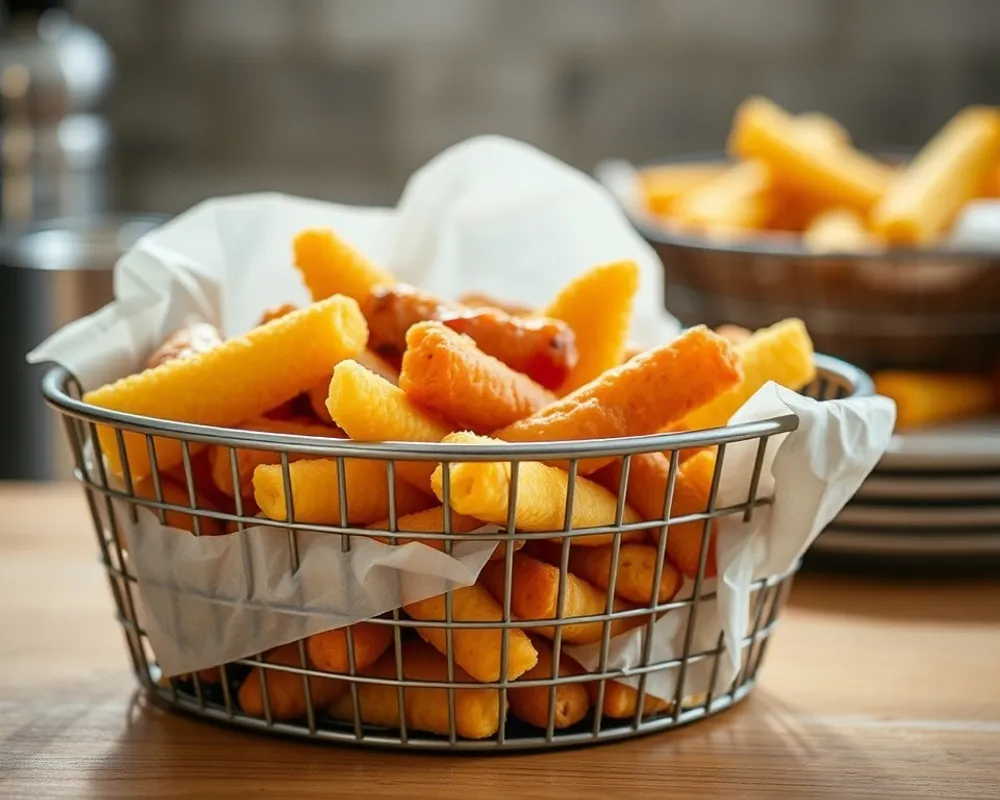
The single most common reason air fryer food turns soggy is overcrowding. Hot air needs room to circulate around every piece of food. When you pile fries, chicken bites, or vegetables on top of each other, the air can’t reach the bottom layers.
Those pieces end up steaming in their own moisture instead of crisping.
Featured Snippet answer: Overcrowding the basket blocks hot air circulation, trapping moisture and causing food to steam rather than crisp. Leave at least an inch of space between pieces and cook in batches if needed.
I learned this the hard way making homemade potato wedges. I stuffed the basket full, hoping to save time. They came out pale and limp.
Now I always leave a little breathing room. If you’re cooking for a family, cook in batches and keep the first batch warm in a low oven.
How to fix it:
- Cook no more than a single layer of food.
- If pieces overlap, split into multiple batches.
- Use a larger air fryer if you frequently cook for more than two people. A model around 5, 6 quarts gives you more room without taking up too much counter space. Check out some best air fryer under 200 options that balance size and performance.
Too Much Oil (or the Wrong Kind)
Air fryers work by circulating hot air at high speed. A light coating of oil helps browning and crunch. But too much oil, or the wrong type, creates a greasy barrier that traps moisture.
The food ends up soggy instead of crisp.
I used to drizzle oil straight from the bottle. That’s a recipe for disappointment. A tablespoon of oil is plenty for a whole batch of vegetables or chicken.
Use a spray bottle or a brush to apply a thin, even layer.
Types of oil matter too. Oils with low smoke points (like unrefined coconut or walnut oil) can break down before the food crisps, leaving a greasy residue. Stick with avocado, canola, or grapeseed oil, they handle high heat well.
Quick rule: For most foods, 1, 2 teaspoons of oil per serving is enough. If you see puddles of oil in the basket, you’ve used too much.
Not Preheating the Air Fryer
You wouldn’t put a steak in a cold pan, so why put food in a cold air fryer? Preheating gives the cooking chamber time to reach the target temperature before food goes in. Without preheating, the food starts cooking at a lower temp, which means it spends longer in the basket, and more time for moisture to build up.
Most air fryers have a preheat function. If yours doesn’t, just run it empty at your desired temperature for 3, 5 minutes before adding food. I preheat every time, even for frozen items.
The difference is night and day.
Featured Snippet answer: Preheating ensures the air fryer reaches the proper temperature before food goes in, preventing a slow start that lets moisture accumulate and makes food soggy. Always preheat for 3, 5 minutes.
Wet or Damp Food Surfaces
Moisture is the enemy of crispiness. When you put wet food into the air fryer, the hot air has to evaporate that water before it can start browning. That extra steaming phase turns the exterior soft.
I see this most often with vegetables and homemade breaded items. After washing veggies, I pat them completely dry with a clean kitchen towel. For chicken or fish, I blot with paper towels before adding any oil or seasoning.
Do this:
- Pat dry any fresh ingredients.
- For frozen foods, shake off excess ice crystals.
- Avoid wet batters, air fryers thrive on dry coatings like seasoned flour, breadcrumbs, or panko.
Wrong Temperature or Time
Cook too low and the food dries out before it browns. Cook too high and the outside burns while the inside stays raw. Both scenarios can lead to sogginess in different ways.
Low temperatures cause food to steam. High temperatures sometimes undercook the center, leaving moisture trapped inside that seeps out when you cut into it.
General guidelines:
- Frozen fries and snacks: 400°F for 10, 15 minutes, shake halfway.
- Chicken pieces (breasts, thighs): 375, 400°F for 12, 18 minutes.
- Fresh vegetables: 375°F for 8, 12 minutes.
- Breaded items: 380, 400°F for 10, 15 minutes.
Every air fryer runs a little differently. I keep a log of cook times for my favorite recipes so I can adjust next time. A good reference is this air fryer chicken bites recipe, it nails the timing and temp for juicy, crispy bites.
Using the Wrong Accessories
Not all air fryer accessories are created equal. Solid pans, silicone baskets, and non-stick trays with tiny holes restrict airflow. Food sitting on a solid surface will steam from the bottom.
The best option is a perforated metal basket that lets hot air hit every side. If you’re using a silicone liner or a solid pan, switch to the wire basket that came with the unit. For foods that need extra support (like small veggies), use a trivet or a set of skewers.
I tried a silicone liner once thinking it would make cleanup easier. My fries came out soft on the bottom. Never again.
Frozen Food That Hasn’t Been Shaken
Frozen foods, especially fries, tater tots, and mozzarella sticks, need a mid-cook shake. As they thaw, moisture collects on the surface. Shaking the basket breaks apart clumps and lets the hot air reach every piece.
I set a timer for halfway through the cook time, pull out the basket, and give it a good shake or flip each piece with tongs. For items like air fryer mozzarella sticks frozen, a gentle shake prevents sticking and soggy bottoms.
Tip: Don’t shake too hard or you’ll break the breading. A gentle toss is enough.
Steam Buildup Inside the Basket
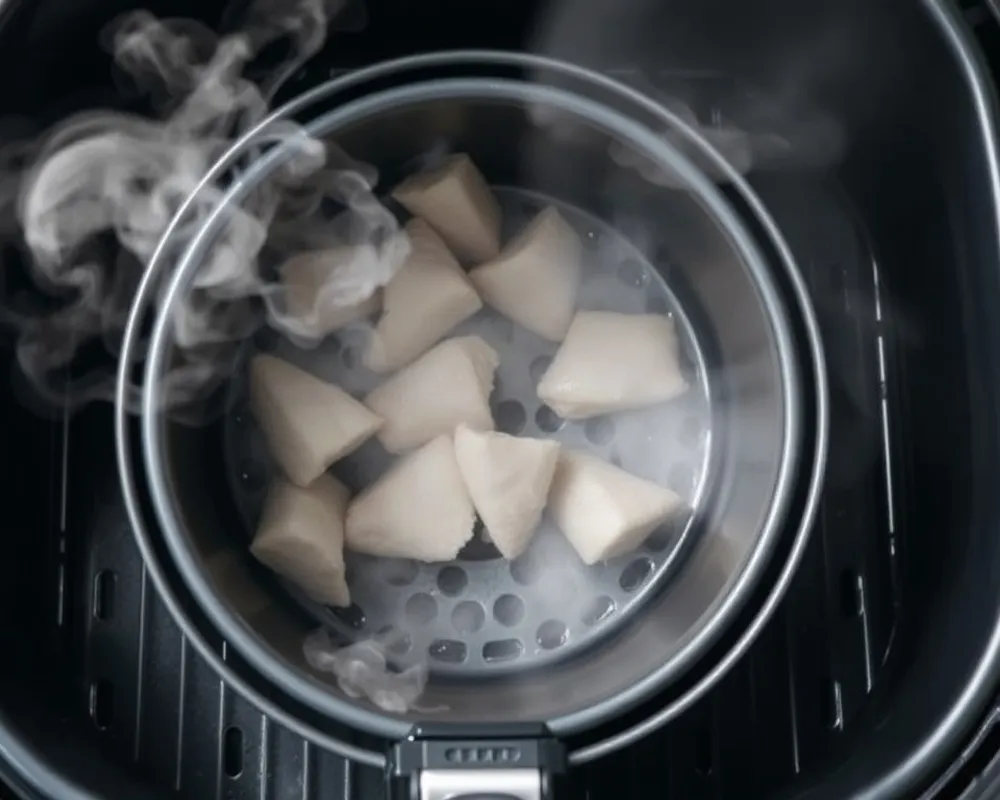
Air fryers do a good job venting moisture, but steam can still build up if the basket is too full or if the food releases a lot of water. This is common with high-moisture foods like mushrooms, zucchini, and bell peppers.
To reduce steam:
- Cook high-moisture foods in smaller batches.
- Leave the basket slightly open for the first few minutes (not all models allow this, check your manual).
- Use a perforated parchment liner if your air fryer allows it. The liner wicks away moisture from the bottom while still letting air flow.
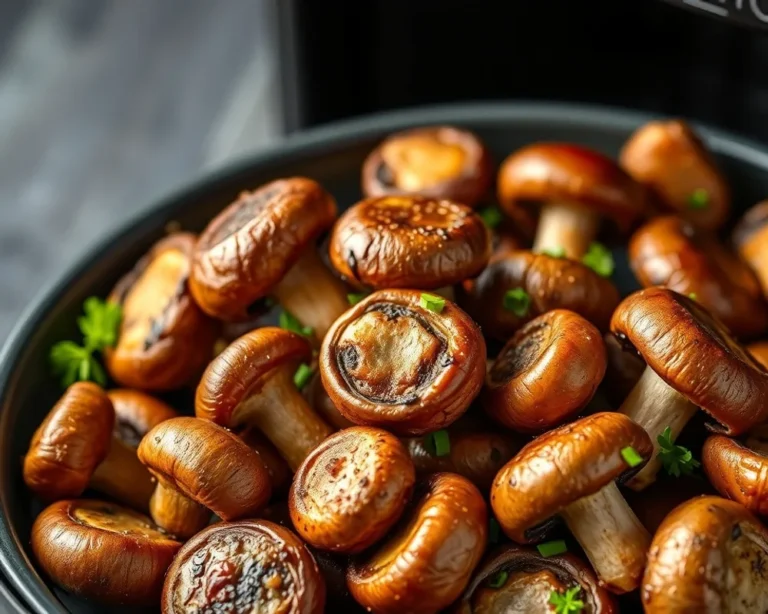
I roast mushrooms at 400°F with a single layer and no oil until they release their liquid, then add oil and continue cooking. That one trick transformed them from rubbery to golden.
Practical Tips for Crispy Results Every Time
- Preheat, Always.
- Pat dry, Moisture is the enemy.
- Don’t overcrowd, One layer, spaced out.
- Use a spray oil, Even, light coats.
- Shake halfway, Or flip for even browning.
- Increase temp by 25°F, If food is still pale after the recommended time.
- Finish with a rest, Let food sit in the basket for 2 minutes after cooking. This lets residual heat finish the crisp.
I’ve made these habits second nature. They apply to almost everything: fries, chicken wings, veggie chips, even air fryer asparagus.
Common Mistakes to Avoid
- Using too much batter, Air fryers aren’t deep fryers. Thick, wet batter turns to mush.
- Skipping the shake, Forgets moisture pockets.
- Cooking soggy leftovers, Reheat already-soft food in the oven, not the air fryer.
- Using non-stick spray cans, The propellant gums up the basket and can create sticky steam. Use a pump spray or brush.
- Not reading your manual, Every model has hot spots and quirks. Know yours.
Safety Tips When Adjusting for Crispiness
When you tweak temperature or cooking time, keep food safety in mind. Undercooked meat is a bigger risk than soggy food.
- Always cook poultry to an internal temperature of 165°F. Use an instant-read thermometer.
- For reheat only, bring leftovers to 165°F as well.
- Don’t leave the air fryer unattended, especially at high temps.
- Avoid overcrowding to ensure even cooking throughout.
For a deeper look at potential issues with your air fryer, including smoke and overheating, see our guide on why is my air fryer smoking, it covers common troubleshooting.
Cleaning & Maintenance for Maximum Airflow
A dirty air fryer can cause sogginess. Grease and food residue block airflow and trap moisture. I clean my basket after every use, and the heating element gets a wipe-down once a month.
Steps:
- Remove the basket and soak in warm soapy water for 10 minutes.
- Scrub with a soft sponge. Avoid abrasive pads that scratch the coating.
- Dry completely before reassembling.
- Clean the heating element with a damp cloth (unplugged and cooled).
For a thorough routine, follow this how to clean an air fryer guide, it covers everything from daily care to deep cleaning.
FAQ
Q: Can I use parchment paper in an air fryer to reduce sogginess?
A: Yes, but use perforated parchment designed for air fryers. Solid paper blocks airflow, causing soggy bottoms.
Q: Why are my frozen french fries always soggy?
A: Likely overcrowding or not preheating. Cook in a single layer, preheat to 400°F, and shake halfway.
Q: How do I make breaded chicken crispy without drying it out?
A: Use panko breadcrumbs, spray lightly with oil, and cook at 375°F until the internal temp hits 165°F. Follow an air fryer chicken bites recipe for exact times.
Q: Does coating food with cornstarch help crispiness?
A: Yes. A light dusting of cornstarch or rice flour before adding oil can improve crunch.
Q: My air fryer food is soggy on the bottom. What’s wrong?
A: Not enough airflow underneath. Use the wire basket, flip food halfway, and avoid solid pans.
Q: Can I reuse oil that drips into the bottom of the air fryer?
A: No. It contains food particles and moisture. Discard it after each cook.
Q: Why are my vegetables always limp and wet?
A: They release moisture. Pat them dry, use less oil, and spread in a single layer. For mushrooms, cook them dry first.
Q: Should I spray food with oil before or after preheating?
A: After preheating. Spray the food just before you put it in the basket to avoid excess moisture.
Final Verdict
Soggy air fryer food is almost always a user error, not a machine defect. Overcrowding, too much moisture, and skipping the preheat are the usual suspects. Once you fix those, your air fryer will deliver the crispy, golden results you bought it for.
I’ve made every mistake in this list. After years of trial-and-error, I can confidently say: air fryers are incredibly forgiving when you know what not to do. Follow the tips above, and you’ll never settle for limp fries again.
For even more inspiration, try recipes like air fryer mozzarella sticks frozen and air fryer chicken bites, they’re perfect for testing your newfound crispiness skills.
Key Takeaways
- Overcrowding is the #1 cause of sogginess. Cook in batches.
- Always preheat for 3, 5 minutes.
- Pat food dry; too much moisture = steam.
- Use a light spray of oil, not a pour.
- Shake or flip food halfway through.
- Clean your air fryer regularly to maintain airflow.
Now go make something crispy.
- Check out some best air fryer under 200 options if you’re considering an upgrade for better airflow and capacity.
- A thorough how to clean an air fryer routine keeps your machine performing at its best.
- If you ever see smoke, review our guide on why is my air fryer smoking to rule out other issues.
- For perfectly cooked, crispy snacks, follow this air fryer chicken bites recipe.
- Frozen foods like air fryer mozzarella sticks frozen benefit from a gentle shake and proper spacing.
- You can also adapt these tips for air fryer asparagus, a high-moisture vegetable that needs extra care.
- For another common item, see how to cook frozen sausage in air fryer to avoid sogginess with frozen protein.
- For safe internal cooking temperatures, refer to the USDA’s food safety guidelines (official site).