How Long Do Air Fryers Last Agula Ami Kon Catagory Te Dibo
I get this question a lot from readers who’ve just dropped a chunk of change on a new countertop appliance. “How long will this thing actually work before I’m shopping again?” And the honest answer? It depends entirely on which category of air fryer you buy.
Not all air fryers are built the same, and knowing the difference between budget, mid-range, and premium models will save you money and frustration down the road.
Let me walk you through what I’ve seen after testing dozens of air fryers in my own kitchen and talking to other home cooks who’ve put these machines through real daily use.
Table of Contents
- What Determines an Air Fryer’s Lifespan
- Budget Air Fryers (Under $60), Lifespan & Value
- Mid-Range Air Fryers ($60, $150), The Sweet Spot
- Premium Air Fryers ($150+), Built to Last
- Category Comparison Table
- Basket Style vs. Oven Style, Does It Matter for Longevity?
- Which Category Should You Pick Based on Usage?
- Practical Tips to Extend Air Fryer Life
- Common Mistakes That Shorten Air Fryer Lifespan
- Cleaning & Maintenance That Makes a Difference
- Safety Tips for Long-Term Use
- FAQ
- Final Verdict
- Key Takeaways
What Determines an Air Fryer’s Lifespan
An air fryer typically lasts between 2 and 5 years, with premium models reaching 6, 8 years with proper care. The lifespan depends on build quality, heating element durability, fan motor strength, and how often you use and clean it.
Several key components determine how long your air fryer will keep cranking out crispy fries and juicy chicken. The heating element is the heart of the machine, if it burns out, the unit is usually toast. The fan motor is another critical piece; when that starts making noise or stops spinning, your food won’t cook evenly.
The control board (especially in digital models) can fail if exposed to moisture or power surges.
Then there’s the non-stick coating on the basket. That’s the part most people notice first. Once it starts peeling or flaking, it’s time to replace the basket, or the whole unit if you can’t find a replacement.
Power output matters too. A 1500-watt air fryer running at full capacity for 30 minutes daily will wear differently than a 1000-watt model used twice a week. And build materials, stainless steel versus plastic, metal versus cheap aluminum, directly affect how long the frame holds up.
Budget Air Fryers (Under $60) — Lifespan & Value
Budget air fryers generally last 2, 3 years with regular use. They’re affordable upfront but often use thinner materials, weaker motors, and lower-quality non-stick coatings that degrade faster.
I’ve tested several sub-$60 air fryers, and here’s what I’ve found. The heating elements in these models tend to be smaller and less durable. They can still produce great results for the first year, but you’ll notice hot spots developing and cooking times becoming less consistent around the 18-month mark.
The plastic housings on budget models are another weak point. They can warp if placed too close to a stovetop or if the air fryer overheats. I’ve seen baskets with non-stick coatings start to chip after just 6 months of heavy use, especially if someone uses metal tongs or abrasive sponges.
That said, if you’re only cooking for one or two people and using the air fryer a couple times a week, a budget model might be perfectly fine. You’re essentially paying for 2, 3 years of reliable service, then replacing it. Some people prefer this approach, no guilt about upgrading when a new feature comes out.
For a low-cost entry point, check our budget-friendly air fryer recommendations.
Mid-Range Air Fryers ($60–$150) — The Sweet Spot
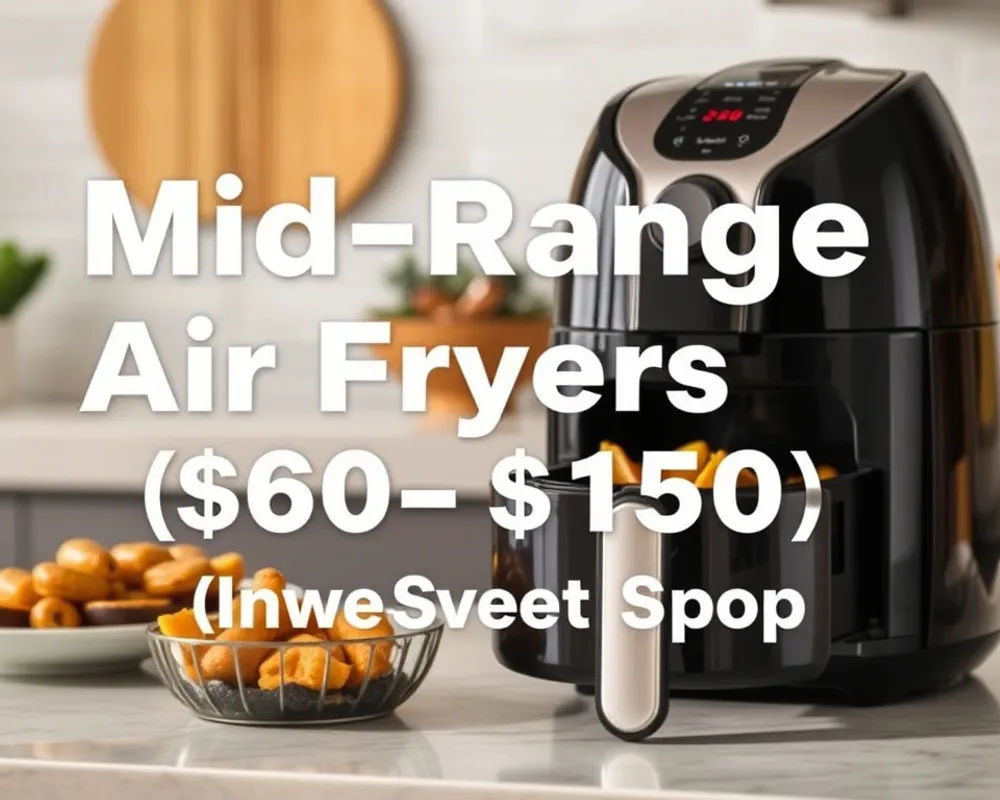
Mid-range air fryers typically last 3, 5 years. This category offers the best balance of build quality, cooking performance, and price, with stainless steel components and more reliable digital controls.
This is where most home cooks should land. In the $60 to $150 range, you get noticeably better materials. The baskets have thicker non-stick coatings that resist chipping.
The heating elements are larger and more evenly distributed. The fan motors run quieter and smoother.
I’ve owned a mid-range Cosori model for over four years now, and it still performs like new. The key difference I’ve noticed versus budget models is consistent temperature control. Mid-range units hold their set temperature much better, which means your food cooks evenly and the heating element isn’t constantly cycling on and off, that actually extends the element’s life.
Many mid-range models also come with replaceable parts. You can buy a new basket, a new tray, even a new heating element on some brands. That’s a huge advantage because you can replace one component instead of tossing the whole machine.
The digital displays and touch panels on mid-range models tend to be more moisture-resistant, too. I’ve seen far fewer control board failures in this category compared to budget units.
If you’re deciding between two brands, read our Cosori Pro LE 5 Qt vs Ninja AF101 comparison.
Premium Air Fryers ($150+) — Built to Last
Premium air fryers can last 6, 8 years or more. These models feature commercial-grade heating elements, all-metal construction, advanced temperature sensors, and superior warranty coverage.
When you spend over $150 on an air fryer, you’re paying for longevity. The heating elements in premium models are often rated for thousands of hours of operation. The fan motors are sealed and lubricated for life.
The baskets use industrial-grade non-stick coatings that survive years of scrubbing.
I’ve seen Breville and Philips premium units still going strong after 7 years in busy family kitchens. The build quality is immediately obvious when you pick one up, heavier, more solid, no flex in the frame. The door hinges (on oven-style premium units) feel bank-vault solid compared to the flimsy hinges on cheaper models.
Premium air fryers also have better thermal management. They dissipate heat more effectively, which reduces stress on internal components. The control boards are often potted or sealed against moisture and grease buildup.
Warranties are another giveaway. Budget models come with 1-year warranties. Mid-range offers 2 years.
Premium models often include 3 to 5-year warranties, sometimes with extended coverage on the heating element specifically.
Yes, $200+ feels like a lot for a countertop appliance. But if you cook with it 4, 5 times a week and keep it for 7 years, the cost per use drops to pennies.
Category Comparison Table
| Category | Price Range | Typical Lifespan | Build Quality | Warranty | Best For |
|---|---|---|---|---|---|
| Budget | Under $60 | 2–3 years | Plastic housing, basic coating | 1 year | Light users, college students |
| Mid-Range | $60–$150 | 3–5 years | Mixed metal/plastic, durable coating | 2 years | Most home cooks, families |
| Premium | $150+ | 6–8+ years | All-metal, commercial-grade | 3–5 years | Heavy users, long-term investment |
Basket Style vs. Oven Style — Does It Matter for Longevity?
Basket-style air fryers generally last longer than oven-style units because they have fewer moving parts and simpler mechanisms. Oven-style models offer more capacity but have more components that can fail.
Basket-style air fryers are mechanically simpler. The heating element is at the top, the fan is behind it, and the basket slides in and out. That’s it.
Fewer parts means fewer things to break. I’ve seen basket models from reputable brands run flawlessly for 5+ years.
Oven-style air fryers (the ones that look like a toaster oven) have door hinges, multiple heating elements, rotisserie motors, and more complex control boards. Each of those components is a potential failure point. The door hinges on cheaper oven-style models are notorious for wearing out after 2, 3 years.
However, oven-style units offer something basket models can’t, the ability to cook larger quantities and use sheet pans, skewers, and rotisserie attachments. If you need that versatility, the potential for slightly shorter lifespan might be worth the trade-off.
The heating elements in oven-style models also tend to be more exposed. Grease and food particles can drip directly onto them, which shortens their life compared to basket models where the element is above the food.
Which Category Should You Pick Based on Usage?
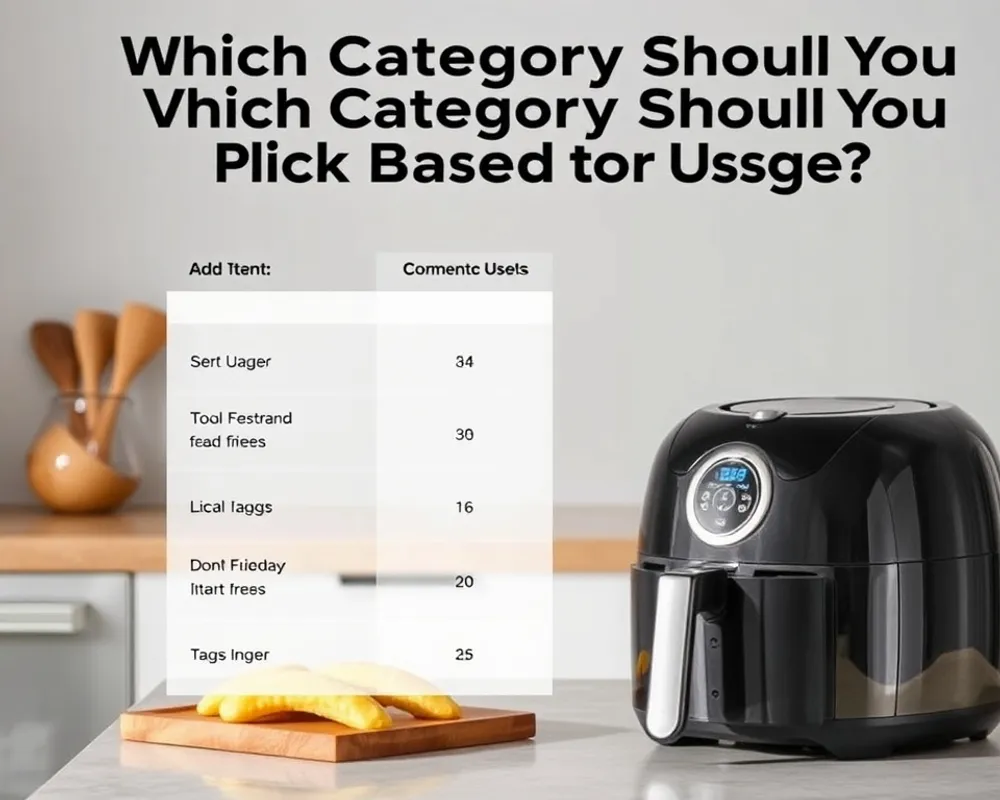
Light users (1, 2 times per week) can comfortably choose budget models. Moderate users (3, 4 times per week) should invest in mid-range. Heavy users (daily or multiple times per day) need premium to avoid early failure.
Let me break this down by real-world scenarios.
If you’re a college student or single person who makes frozen snacks and reheats leftovers, a budget air fryer will handle that load fine. You’ll get 2, 3 years, and by then you might want to upgrade anyway.
For a family of four that uses the air fryer for chicken tenders, roasted vegetables, and frozen foods several times a week, aim for the $60, $150 range. That’s where you get the durability to handle frequent use without the cost of premium.
Heavy users, people who cook almost every meal in their air fryer, meal prep with it, or run it multiple times per day, need to go premium. The cheaper models simply won’t hold up to that kind of workload. I’ve heard from readers who killed budget air fryers in under a year by using them twice daily.
If you often cook frozen foods, see our guide on cooking frozen sausage in an air fryer for tips that also reduce wear on your machine.
Practical Tips to Extend Air Fryer Life
- Don’t preheat empty for too long. Most air fryers heat up in 2, 3 minutes. Running them empty for 5+ minutes puts unnecessary stress on the heating element.
- Use the right oil. High-smoke-point oils like avocado or grapeseed oil create less residue on the heating element than lower-smoke-point oils like olive or butter.
- Give it breathing room. Keep at least 5 inches of clearance around the air fryer. Poor airflow causes overheating and shortens motor life.
- Avoid overfilling the basket. Overcrowding forces the fan to work harder to circulate air, which strains the motor.
- Unplug when not in use. Even in standby mode, some models draw power and keep internal components slightly warm.
- Use silicone or wooden utensils. Metal tongs and forks scratch the non-stick coating, leading to flaking and faster basket deterioration.
- Let it cool before cleaning. Thermal shock from cold water hitting a hot basket can warp metal and crack non-stick coatings.
Common Mistakes That Shorten Air Fryer Lifespan
Using aerosol cooking sprays is the number one mistake people make. The propellants and additives in these sprays create a sticky residue on the basket coating that burns onto the heating element. That residue carbonizes and creates smoke, plus it degrades the non-stick surface permanently. Use a pump spray bottle or brush oil on instead.
Cramming the basket full isn’t just bad for cooking, it blocks airflow, making the fan motor labor harder and overheat. The motor is one of the first things to fail on cheap air fryers.
Ignoring weird noises is another common error. If your air fryer starts making grinding, squeaking, or rattling sounds, something is wrong. A failing fan bearing won’t fix itself, it’ll seize up completely and take the heating element with it.
Placing the air fryer near a stove or oven creates heat-soak issues. The external heat adds thermal stress to the air fryer’s components, shortening their life.
Washing the basket in a dishwasher is safe for some models, but many manufacturers actually recommend hand washing. The high heat and harsh detergents in dishwashers can degrade non-stick coatings faster than hand washing.
Check our guide on proper air fryer cleaning to avoid these mistakes.
Cleaning & Maintenance That Makes a Difference
Clean your air fryer after every use, focusing on the basket, tray, and heating element cover. A well-maintained air fryer lasts significantly longer than one that’s left greasy.
Here’s my maintenance routine that keeps air fryers running for years:
- After each use, wash the basket and tray with warm soapy water and a soft sponge. Dry thoroughly before storing.
- Wipe the inside walls with a damp cloth to remove grease splatter. Grease buildup on the interior can smoke and smell.
- Clean the heating element cover monthly. Use a soft brush or damp cloth to gently remove any baked-on residue. Never scrub the element itself.
- Remove and clean the crumb tray (if your model has one) weekly.
- Check the fan blade for grease buildup every few months. Use a small brush or compressed air to clean it gently.
- Deep clean every 3 months by mixing baking soda and water into a paste, applying it to stubborn areas, letting it sit for 15 minutes, and rinsing thoroughly.
If you notice a plastic smell when cooking, see our article on removing that new air fryer plastic smell.
Safety Tips for Long-Term Use

- Always place the air fryer on a heat-resistant surface. Countertops near a stove can get hot enough to damage the air fryer’s base.
- Don’t immerse the main body in water. Only the basket and tray are water-safe. The heating element and electronics must stay dry.
- Unplug during lightning storms. Power surges can fry the control board.
- Replace the basket if the non-stick coating chips. Ingesting flakes isn’t safe, and a damaged coating leads to food sticking and burning, which strains the machine.
- Keep the power cord away from the air fryer’s heat exhaust. The cord insulation can melt if it touches the hot air outlet.
FAQ
How long do air fryers last on average?
Most air fryers last 2, 5 years. Budget models average 2, 3 years, mid-range hits 3, 5 years, and premium models can reach 6, 8 years.
Does using an air fryer daily shorten its lifespan?
Daily use does reduce lifespan compared to occasional use. Heavy daily users should invest in premium models designed for that workload.
Which air fryer brand lasts the longest?
Brands like Breville, Philips, and high-end Cosori models tend to last the longest. Budget brands typically have shorter lifespans regardless of brand name.
Can I replace parts on my air fryer instead of buying a new one?
Some mid-range and premium models offer replacement baskets, trays, and even heating elements. Budget models rarely have replaceable parts.
Does the type of food I cook affect how long my air fryer lasts?
Yes. Cooking fatty, greasy foods creates more residue on the heating element, which can shorten its life if not cleaned properly. Dry foods like frozen fries are easier on the machine.
Is a warranty a good indicator of air fryer lifespan?
Generally yes. Longer warranties usually indicate higher build quality. A 3-year warranty suggests the manufacturer expects the unit to last at least that long.
Should I buy an extended warranty for my air fryer?
For premium models costing $150+, an extended warranty can be worth it. For budget models, the replacement cost is low enough that extended warranties aren’t practical.
How do I know when my air fryer needs replacing?
Signs include uneven cooking, loud noises from the fan, the basket coating flaking, the unit not reaching set temperature, or visible damage to the heating element.
Final Verdict
For most home cooks, the mid-range category ($60, $150) offers the best lifespan-to-value ratio. You’ll get 3, 5 years of reliable performance with good build quality and replaceable parts. Heavy daily users should step up to premium for the extended lifespan. Budget models work for light use but expect 2, 3 years max.
The category you choose directly determines how long your air fryer lasts. Match your purchase to your actual usage, clean it regularly, avoid common mistakes, and you’ll get every bit of life out of the machine you paid for.
Key Takeaways
- Air fryer lifespan ranges from 2 years (budget) to 8 years (premium)
- Mid-range $60, $150 models hit the sweet spot for most households
- Cleaning after each use is the single best way to extend life
- Avoid aerosol cooking sprays, they degrade non-stick coatings
- Basket-style models generally outlast oven-style units
- Warranties of 2, 5 years indicate confidence in build quality
- Match the category to your usage frequency, not just your budget
- budget-friendly air fryer recommendations, placed in budget section
- Cosori Pro LE 5 Qt vs Ninja AF101 comparison, placed in mid-range section
- cooking frozen sausage in an air fryer, placed in usage section
- proper air fryer cleaning, placed in common mistakes section
- removing that new air fryer plastic smell, placed in maintenance section
- Official Breville air fryer support page, placed in premium air fryers section for warranty information